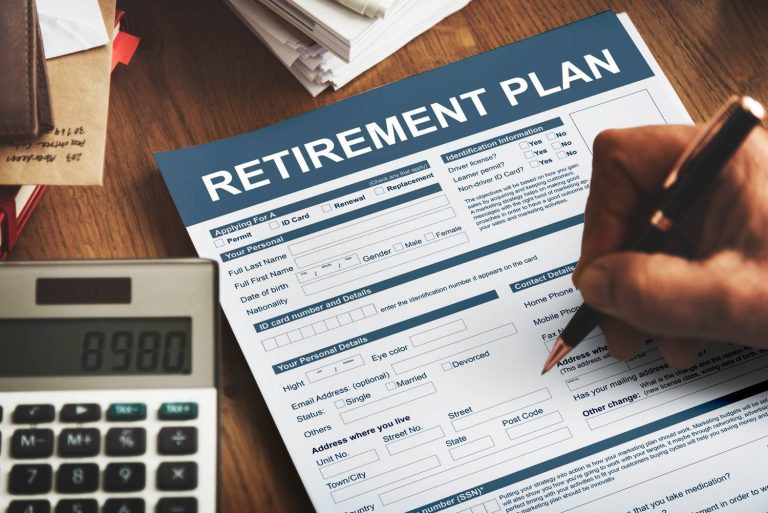
Most people assume retirement is something to figure out later. But later has a way of arriving unexpectedly.
The years between your first paycheck and your last go by faster than most people expect. Your savings decisions made in your 30s and 40s also define what retirement looks like in your 60s and beyond.
As such, the retirement plans you contribute to are crucial. So, between 403(b) and 401(k) plans, which one is the best for you?
What Are 401(k) and 403(b) Plans?
Both 403(b) and 401(k) are employer-sponsored retirement plans that let you direct a portion of each paycheck into an investment account before taxes are taken out.
These accounts grow through investments until you retire.
403(b) Plans
The 403(b) is a retirement plan for employees of tax-exempt organizations. Public schools, nonprofit hospitals, universities, and religious institutions all fall into this category.
401(k) Plans
The 401(k) is the retirement plan offered by for-profit employers. It’s the most widely used employer-sponsored retirement savings plan in the U.S.
Similarities of 403(b) and 401(k)
| Feature | 401(k) | 403(b) |
|---|---|---|
| Tax treatment | Pre-tax contributions; taxed as ordinary income on withdrawal | Same |
| Roth option | Available at many employers | Same |
| Employer match | Available; varies by employer | Same |
| 2025 employee limit | $23,500 | $23,500 |
| 2026 employee limit | $24,500 | $24,500 |
| Catch-up (age 50+) | +$7,500 in 2025; +$8,000 in 2026 | Same |
| Super catch-up (ages 60 to 63) | Up to $11,250 in 2025 | Same |
| Combined employee + employer cap | $70,000 in 2025; $72,000 in 2026 | Same |
| Early withdrawal penalty | 10% before age 59½, plus income taxes | Same |
| RMDs | Required starting at age 73 | Same |
Differences Between 403(b) and 401(k) Plans
| Feature | 401(k) | 403(b) |
|---|---|---|
| Employer type | For-profit companies | Nonprofits, public schools, hospitals, government agencies, and religious organizations |
| Investment options | Mutual funds, stocks, bonds, other securities, and sometimes company stock | Limited to mutual funds and annuities |
| Employer match | Common; ERISA reporting and fiduciary requirements apply automatically | Less common; ERISA applies only under specific conditions, such as when the employer contributes to the plan |
| Fees | Varies by plan | Tends to run higher, particularly in plans that include annuity products; check your plan’s expense ratios |
| 15-year service catch-up | Not available | Employees with 15+ years at the same organization may contribute an extra $3,000 per year, up to a $15,000 lifetime maximum, if the plan allows |
Read More: What Is a 414(h) Plan? – Definition, How It Works & How to Set Up
What Happens When You Change Jobs?

Both plans are portable. When you leave an employer, you can roll your vested balance into an individual retirement account (IRA), move it into your new employer’s plan if they accept rollovers, or leave it in the old plan if your balance meets the minimum threshold.
403(b) vs 401(k): Which Is Better for You?
For most employees, this is not a decision they get to make. Employers choose the plan based on their organization type, and employees enroll in what’s available.
So, the comparison is when you’re evaluating two job offers with similar pay and duties. In that case, retirement benefits can be the deciding factor.
Two things are worth checking:
- Employer match. Matching is more common with 401(k) plans. ERISA compliance requirements apply once an employer contributes to a 403(b), so many nonprofits skip matching to avoid that obligation. If one offer includes a match and the other does not, or one is noticeably more generous, let that factor into your evaluation.
- Roth option. Both plan types support Roth contributions at many employers. Roth contributions are made after tax, and qualified withdrawals in retirement are completely tax-free. If tax-free retirement income is a priority, confirm the Roth option is available before accepting the role.