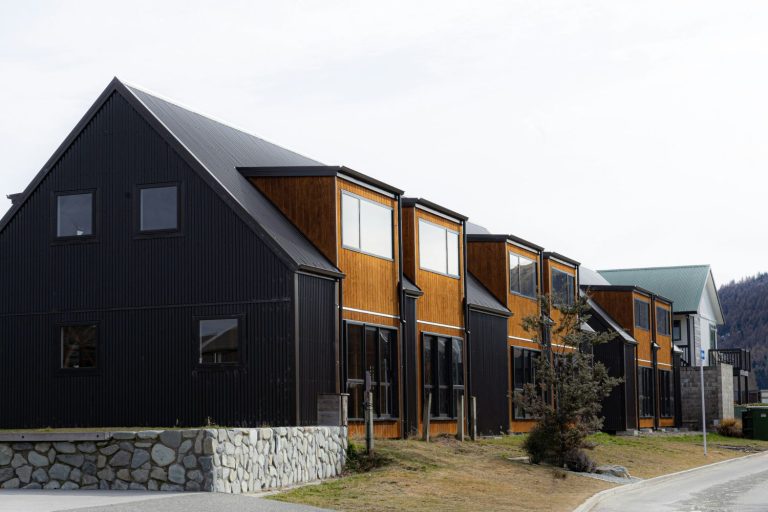
More buyers are looking for practical alternatives to condos and detached homes.
And for buyers still figuring out which property type suits them, a townhouse lands somewhere in the middle of the conversation or research.
But, will a townhouse fit your lifestyle?
What Is a Townhouse?
Townhouses are multi-story residential units, each with its own private entrance, attached to neighboring homes by one or two shared walls.
The structure falls between a condo and a detached single-family home in terms of ownership and layout.
How Does a Townhouse Work
Each townhouse is individually owned, even though the units are physically connected.
Most owners hold the deed to both the home and the land beneath it, which also puts exterior maintenance in their hands.
Common Features of Townhouses
Townhouses are growing their presence across the U.S.
Townhouse construction in the U.S. reached a multidecade high in 2026, with market share topping 18%, according to the 2026 housing outlook of the National Association of Home Builders (NAHB).
This increased supply means more townhouse options in listings.
Most townhouses share these characteristics:
- Shared walls: Units are attached to one or two neighboring homes.
- Multiple stories: Most are built with two or more levels to compensate for a narrower floor plan.
- Private entry: Each unit has its own front door and, in many cases, a small yard, patio, or both.
- HOA fees: Most townhouse communities have a homeowners association that manages shared spaces and certain exterior maintenance, covered through monthly dues.
- Urban and suburban locations: Townhouses are common in areas where land is limited, but residents want access to community amenities.
Read More: Studio vs. 1-Bed Unit: Which Is Right for You?
Pros and Cons of Owning a Townhouse
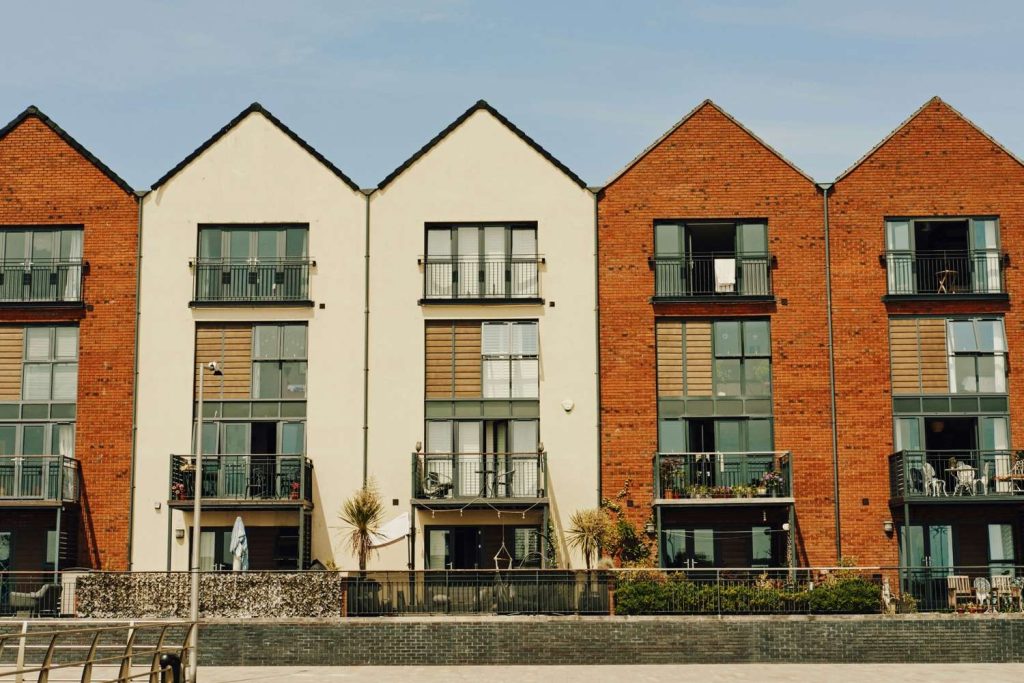
Townhouses have distinct advantages over other property types, but they also come with specific limitations.
Pros
- Lower price point. Townhouses in the same zip code as detached homes are generally less expensive because the lot is smaller. Buyers pay for the unit and a modest yard, not a large parcel of land.
- Less maintenance. Smaller lots mean less upkeep. Mowing a narrow front yard takes a fraction of the time and cost of maintaining a full-sized property. Some HOAs also include lawn care in their monthly dues, which cuts that responsibility further.
- Lower utility costs. Shared walls reduce heat loss and heat gain, so townhouses cost less to heat and cool than comparably sized detached homes.
- More ownership than a condo, less responsibility than a house. Townhouse owners control their unit and the land under it, which gives more flexibility than a condo. The smaller footprint also means fewer ongoing costs than a single-family home.
Cons
- HOA rules. Most townhouse communities have a homeowners association, and the rules can cover details such as fence types, exterior paint colors, and mailbox styles. Buyers who want full control over their property’s appearance should review the HOA’s CC&Rs before making an offer.
- Added monthly fees. HOA dues are a recurring cost on top of the mortgage. The amount varies by community and what it provides. Communities with pools, fitness centers, and security tend to charge more. Choosing a community with fewer amenities is the most straightforward way to keep those fees down.
- Limited privacy. Sharing a wall with a neighbor is a consistent drawback. Sound travels through party walls, and the outdoor space is limited compared to a detached home. Buyers who prioritize seclusion should factor this in before committing.
How to Finance a Townhouse
Financing a townhouse follows the same process as financing a detached single-family home, with one important distinction: the property’s legal classification.
Fee-simple townhouses qualify for FHA, VA, USDA, and conventional loans under the same interest rates, credit score requirements, and down payment terms as detached homes.
Condo-classified townhouses face additional requirements. The HOA or condo project must meet lender standards, including FHA project approval, Fannie Mae and Freddie Mac eligibility, HOA financial stability, minimum owner-occupancy ratios, and adequate insurance coverage.
Before going too far into the process, ask the listing agent how the property is classified.
Fee-simple or condo classification determines which loan types are available, and confirming this early saves complications during underwriting.
Down payment assistance programs also apply to townhouses. Many state and local programs extend eligibility to attached homes, so check with your lender to see what options are available in your area.
Read More: Duplex Living: What It Is, Who It’s For, Pros & Cons
What to Consider Before Buying a Townhouse
- Location. Where the townhouse sits affects your daily commute, access to schools, shopping, and entertainment. For families, verifying the school district before making an offer is worth the extra step.
- Amenities. Townhouse communities vary in what they offer. Some include pools, fitness centers, and green spaces; others provide little beyond basic exterior upkeep. HOA dues fund these amenities, so review what the fees cover and how much use you will get out of them.
- Resale value. Look at recent sale prices for comparable units in the same complex and compare them to nearby home prices. Communities with rising sale prices and steady demand in the surrounding area tend to appreciate more reliably. Location and available amenities both factor into how the property performs on resale.
Who Is a Townhouse Ideal For?
- First-time homebuyers. Townhouses give first-time buyers access to homeownership at a lower price point than detached homes in the same area, with the added advantage of owning the land beneath the unit.
- People looking to downsize. For homeowners who no longer need a large single-family home, a townhouse offers a smaller, more manageable space without giving up a private entrance or outdoor area entirely.
- Investors. Townhouses in urban centers or near college campuses draw consistent rental demand. Land ownership also supports long-term appreciation alongside rental income.
- Second-home buyers. Townhouses work well as vacation or secondary properties. Owners can use them seasonally and rent them out the rest of the year, particularly in high-demand travel destinations or urban areas.
Read More: Loft Apartment: Pros, Cons & Who It’s Best For
Townhouse vs. Other Home Types
Here are the differences between townhouses, condos, apartments, and single-family homes.
Townhouse vs. Condo
Condo owners own the interior of their unit only. The building exterior, common areas, and land belong to the association.
Townhouse owners hold the deed to both the structure and the land beneath it, which builds equity more reliably since land appreciates at a steadier rate than the structure alone.
Insurance differs, too. Condo associations cover the exterior through a master policy, so owners only insure the interior. Townhouse owners need a full homeowners insurance policy covering the entire structure.
Townhouse vs. Apartment
Townhouses span two or more levels and include private features like a patio, yard, or garage.
Apartments are single-floor units with shared entryways, shared parking, and building-wide amenities like a gym or pool.
Unlike townhouses, apartments also share walls, ceilings, and floors simultaneously.
Townhouse vs. Single-Family Home
Single-family detached homes offer more privacy, larger lots, and fewer restrictions on exterior modifications.
Townhouses offer land ownership and equity-building at a lower entry price. The differences are shared walls, a smaller lot, and HOA rules on exterior appearances.