You can make your debts easier to manage by combining them through debt consolidation.
The payoff is one simple payment, and it can lower your interest rate. Still, the wrong move can leave you deeper in debt.
Before you commit, here’s everything you need to know about debt consolidation.
What Is Debt Consolidation?
Debt consolidation combines several outstanding balances into one new loan with a single monthly payment.
You can merge multiple credit cards into that loan. You can also blend credit cards with a student loan or a mortgage. The amount you owe stays the same afterward.
How Does Debt Consolidation Work?
Both popular methods merge your debts into one payment. They aim for a lower interest rate than you pay today.
What Are the Different Types of Debt Consolidation?
The first method uses a 0% balance transfer credit card. It suits borrowers who want to erase credit card debt.
You shift your existing balances onto one new card. Then you enjoy an interest-free promotional window of 15 to 21 months.
The exact length depends on the card you pick. After that window ends, your APR rises to the ongoing rate. Interest resumes on your remaining balance thereafter.
The second method uses a fixed-rate debt consolidation loan. It suits borrowers with multiple types of debt or thin credit.
You take out the loan and pay off the entire balance at once. Then, you repay it in fixed monthly installments. The term usually spans one to seven years.
Pros and Cons of Debt Consolidation

Debt consolidation brings genuine advantages alongside a few risks.
Pros
- Potential savings: You could save hundreds or thousands in interest with a lower rate.
- Repayment flexibility: Borrowers with higher debt can choose a consolidation loan with terms that fit their budget.
- Easier to manage: Merging several monthly payments into one payment simplifies your repayment plan.
Cons
- You may not qualify: Thinner credit makes approval harder to get. A large balance can still cost you the terms you want.
- Possible fees: Your choices narrow if your credit is poor.
- Chance of deeper debt: Consolidation puts you in a better spot to repay. Still, the habits behind the debt remain the same.
Does Debt Consolidation Hurt Your Score?
Debt consolidation can make or break your credit score. The method you pick and your habits decide the outcome.
Short-Term
Applying for a balance transfer card or loan triggers a hard inquiry. This inquiry trims a few points from your score.
Opening a new account also lowers your average account age. So your score usually shows a slight, temporary dip.
Balance transfers bring one more risk to watch. A large moved balance can spike your new card’s utilization rate. High utilization then pushes your score lower for a short stretch.
Long-Term
Your score usually rebounds as you pay down the balance. From there, it can climb past where it began.
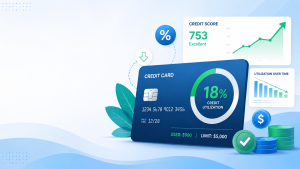
Scoring models count utilization only on revolving credit, such as credit cards. Paying these cards off can bring your utilization down to 0%. Lower utilization then lifts your overall score.
Steady habits keep your progress on track. Late payments can drag your score back down.
Fresh charges on the cleared cards hurt you as well. Closing old accounts can also cost you points. So, pay the debt off in full and avoid new balances.
What Credit Score Do You Need to Consolidate Debt?

Good credit gives debt consolidation its financial payoff.
You can qualify for a personal loan with fair or bad credit. Still, a money-saving interest rate stays out of reach there.
Balance transfer cards set a higher approval bar. Most of them want good credit or better. FICO sets good credit at 670 and up. Individual issuers can add their own minimum score rules.
Can You Consolidate Debt With Bad Credit?
Yes, bad credit still lets you consolidate your debt. Your list of options grows shorter, though.
Credit unions and online lenders can allow you to consolidate. They tend to approve applicants whom traditional banks reject.
How to Tell If Debt Consolidation Is Right for You
Debt consolidation suits some financial situations and backfires in others.
When to Consider Debt Consolidation
Consolidation earns its place when all of these are true:
- Your total monthly debt payments stay at or below half your gross monthly income.
- Lenders offer you a 0% balance transfer card or a lower-rate consolidation loan.
- Every month, you repay on time until the balance reaches zero.
- When choosing a balance transfer card, pay it off before the promo period ends.
- Picking a consolidation loan, you repay everything within one to seven years.
When Debt Consolidation Isn’t Worth It
Some situations turn consolidation into a costly move. Step back when any of these apply:
- Your monthly debt payments already swallow well over half your income.
- The best available rate matches or beats your current one, so fees erase your savings.
- Fresh charges pile onto the cards you just paid off.
- Repayment discipline slips, and you miss the monthly loan payments.
- Securing the loan with your home puts your home at risk of foreclosure.
Read More: When Is Debt Consolidation a Good Idea?
How to Get a Debt Consolidation Loan

Getting a consolidation loan follows the same process as a standard personal loan.
The lender reviews your income and total debt before setting a rate. Pulling your credit reports helps them price that offer.
- Pick the debts you want to consolidate. List the current balances on your credit cards, unsecured loans, and medical bills.
- Categorize the numbers. Compare shorter and longer repayment terms. Then pick the monthly payment your budget can absorb.
- Gather each creditor’s payoff details. Payoff steps vary by card and loan, so prepare early. Some lenders release your funds the same day you apply.
- Decide who pays the creditors. Certain lenders pay your creditors for you. Handing them that job can even earn you a rate discount. Direct repayment through a lender can take a few weeks.
- Shop around and prequalify. Comparing at least three lenders helps most borrowers save money. Favor lenders that let you prequalify for a loan. Prequalifying shows your rate while your credit stays intact.
How Do I Apply for a Debt Consolidation Loan?
Once you find the best offer, you can apply online, by phone, or in person.
- Gather your details. Lenders ask for personal, employment, and income information, as well as your reason for borrowing.
- Prepare your documents. Have proof of your identity, address, and income ready to submit.
- Expect a hard credit check. This pull can temporarily shave a few points off your score.
- Wait for approval. Online lenders sometimes decide in minutes, while banks and credit unions take longer.
- Review the terms. Read the loan documents closely and watch for origination fees that raise your cost.
- Sign and collect funds. After the terms check out, sign the agreement to finalize the loan.
- Choose how creditors get paid. Some lenders pay your creditors, while others deposit the money into your account.
- Settle your accounts fast. Pay each balance before interest accrues to reduce your final payoff amount.
- Confirm zero balances. Check online or by phone, then close any old accounts safely.
Which Banks Offer Debt Consolidation Loans?
National banks like U.S. Bank and PNC Bank provide personal loans you can use for consolidation.
Beyond the big banks, credit unions like Navy Federal and PenFed, and online lenders such as SoFi, Upgrade, and LightStream also offer debt consolidation loans.
Alternatives to Debt Consolidation
Consolidation is just one path out of debt. However, if this loan option isn’t feasible, here are your other options.
Debt Snowball
The debt snowball method focuses on your smallest balance first. You cover the other accounts with minimum payments in the meantime.
As soon as that small balance vanishes, you attack the next one.
Debt Avalanche
The debt avalanche method flips that plan to trim your interest costs. You funnel extra money toward your highest-rate debt first.
Minimum payments handle the rest until the pricey balance disappears. Afterward, you turn to the next-highest rate on your list.
Debt Management Plan
Nonprofit credit counseling agencies design debt management plans for a small fee. Your counselor negotiates lower interest rates with each of your creditors.
The agency then rolls your balances into one monthly payment. You pay off the full amount across three to five years.
Debt Settlement
Debt settlement lets your creditors accept less than your total balance. You can lead the talks yourself by calling each creditor through debt settlement letters.
Handing the job to a settlement company brings in a professional negotiator. A successful company settlement leaves you with a fee to pay.
However, you must proceed with caution, as a settlement can hurt your credit and may not succeed.
Bankruptcy (Last Resort)
Bankruptcy is a court process for people and businesses swamped by debt. The judge examines your assets and liabilities in full detail.
If your assets land below your debts, the court may discharge them. This ruling frees you from repaying those balances.
But your filing can appear on your credit reports for up to 10 years. It also lowers your score, so it’s usually the last resort if debts are not manageable anymore.
What Is the Difference Between Debt Consolidation and Debt Settlement?
| Debt Consolidation | Debt Settlement | |
|---|---|---|
| How it works | You merge several debts into one loan with a single interest rate. | You negotiate with creditors to repay less than your full balance. |
| Credit score impact | Your score can improve as paying down cards lowers your credit utilization ratio. | Late and past-due marks on a settled account can drag your score down. |
| Cost | Interest rates on consolidation loans differ by lender, and some add extra fees. | You can settle on your own for free, while settlement companies charge a service fee. |
| Pros | One combined payment simplifies repayment, and a lower rate can save you money on interest. | You can wipe out debts for less than you owe and possibly avoid collection actions like lawsuits. |
| Cons | A longer loan term can raise the total interest you pay across the full payoff. | Some creditors may refuse your offer, and the late payments harm your credit. Forgiven debt can also count as taxable income. |