Benjamin Franklin once said, “If you would know the value of money, go and try to borrow some.” His words feel especially real when you’re stuck between mounting bills and shrinking options.
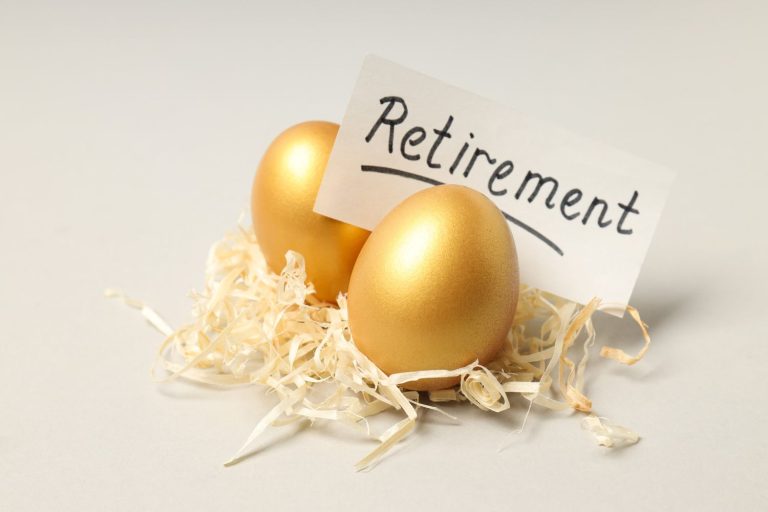
Most Americans don’t even know if their money will see them through retirement. Only 64% is confident they have enough money for a comfortable retirement.
Others report that they will never be able to retire. Just 26% feel confident about their financial future.
With people grappling with higher living costs, surprise medical bills, and credit card debt, personal loans are being used to consolidate debt or pay for large expenses.
How Do Personal Loans Work?
You request a certain amount of money, the lender reviews your application, and deposits the cash straight into your bank account. You pay back the loan through set monthly payments over a predetermined term.
Lenders also pull your credit report to assess risk. Most start with a soft credit inquiry during pre-qualification, which won’t impact your credit score.
When you accept a loan offer, they do a hard credit inquiry that might temporarily lower your score by a few points. The credit decision usually comes in minutes to a few business days, depending on the lender.
Many lenders transfer loan proceeds within one to three business days. Some online lenders advertise same-day funding if you complete the application process early enough. Repayment starts about 30 days after you receive the money.
Common Features of Personal Loans

Loans usually fall between $1,000 and $50,000, but some lenders have a minimum loan amount of $2,000 or even $5,000. Larger loans necessitate stronger credit and income credentials.
Interest Rates and Monthly Payments
An interest rate is what it costs to borrow money.
A person with a 760 credit score, for example, might be eligible for interest rates from 7% to 10%, while someone with a 650 may qualify for rates between 15% and 25%.
Personal loans use a fixed-rate structure, so your rate won’t change after loan closing. Your payment gets split between principal and interest each month through an amortization schedule.
Early payments go mostly toward interest, with more going to principal as the loan progresses.
Repayment Terms
Most personal loan terms are 12, 36, 60, and 84 months.
Shorter terms result in higher monthly payments, and the total interest paid is smaller. The higher the term, the lower your monthly payment, but you end up paying more over the life of the loan.
Fees and Charges
The most common fee on a personal loan is an origination fee. This fee, generally 1% to 8% of the loan amount, is subtracted from loan proceeds before funds are disbursed
The late fee varies from $25 to $50 per late payment occurrence.
A prepayment penalty is a fee that the lender charges you when you pay off your loan before its term expires. Not all lenders impose this fee, but those who do charge a percentage of the remaining balance or a few months of interest.
Some lenders also charge credit report fees when pulling credit reports and underwriting fees for the underwriting process.
Understanding Personal Loan Costs

The interest rate and fee you see on a personal loan are only a small part of what you’ll pay.
Annual Percentage Rate (APR)
APR is distinct from the interest rate because it includes origination fees and other costs rolled into one figure.
A loan might have a 10% rate, but with a 5% origination fee, the APR could be 12% or more.
Total Interest Paid Over Loan Term
Interest is charged over the length of your loan, and the number can surprise borrowers. At 11% APR, a $15,000 loan for 60 months means you’ll pay roughly $4,500 in interest.
Impact of Loan Term on Total Cost
If you select a shorter loan term, your monthly payments will be higher, but your total interest cost will drop. A 36-month loan could cost $1,800 in interest, as opposed to $3,200 for the same loan over 60 months.
Types of Personal Loans
Personal loans come in several formats:
Unsecured and Secured Personal Loans
Unsecured loans do not require collateral, so lenders base the approval decision on a combination of your credit score and income instead.
Secured loans require you to use an asset, such as your car or savings account, as collateral. You generally receive a lower rate because the lender can seize your collateral if you stop making payments.
Fixed-Rate and Variable-Rate Loans
For fixed-rate loans, your interest rate is locked in from day one and remains constant.
Variable-rate loans link your rate to a benchmark like the prime rate, so that your payment can go up or down along with the economy.
Fixed-rate options are the more common pick because most people prefer knowing what they’ll owe every month.
Debt Consolidation Loans
With consolidation, you can merge several debts into a single monthly payment at a lower interest rate.
You receive loan proceeds to pay off your existing balances, and then concentrate on making a single payment every month.
Co-Signer Loans
If you don’t have good enough credit to qualify on your own, finding a co-signer may be useful. They’re basically making you a loan guarantee, promising to repay the lender if you can’t.
The loan appears on both of your credit reports, and if you miss payments, it hurts both of you. Only bring in a co-signer if they really trust you to handle the debt responsibly.
Specialty Personal Loans
Some lenders also offer loans for other purposes, like home improvement projects, medical bills, weddings, or education costs. Those may be subject to their own terms or to lower interest rates for that use.
Loans of $1,000 to $5,000 are for emergencies that don’t need a big loan, which you can pay off in a few years.
What Can a Personal Loan Be Used For?

Personal loans give you the flexibility to use funds for almost any purpose.
Debt Consolidation
Debt consolidation is when you take out a single loan to pay off several credit cards or other debts.
Rather than dealing with multiple payments with varying due dates and interest rates, you’ll make one monthly payment.
But be wary of this method. Dave Ramsey said:
“Debt consolidation intellectually, psychologically triggers your brain and makes you think you did something.”
Emergency Expenses
Costs you can’t plan for hit when you least expect them.
Personal loans get the money into your account in a few business days, so you can address the problem now and pay it off over time.
Home Improvement Projects
Personal loans are best for funding home improvements if you don’t want to put your house on the line.
The loan provides you with fixed monthly payments you can budget, and if things go sideways financially, you won’t risk losing your home.
Financing Life’s Big Events
Weddings, moves, and vacations are expensive. Personal loans allow you to spread out those costs rather than draining your savings in one fell swoop.
Legal Fees and Elder Care
Lawyers and elder care cost more than most people anticipate. Whether you need to make a retainer payment to an attorney or pay for assisted living, personal loans can help fill the gap.
Pros and Cons of Personal Loans
Personal loans can help you get out of a tight spot, but they also come with downsides.
Benefits of Personal Loans
- Fixed interest rates ensure the monthly payment never changes throughout the life of the loan.
- You can borrow between roughly $1,000 and $50,000 or more.
- Spend the money however you wish, even if it’s not on an emergency.
- Fast funding, sometimes in just a few business days after credit approval.
- No collateral for unsecured loans.
Drawbacks of Personal Loans
- Borrowers with lower credit scores could pay interest rates in excess of 20%.
- Origination fees lower what you get out of the loan.
- A hard credit inquiry can cause a temporary dip in your credit score.
- Online convenience means it’s easier for people to take on new debt that they don’t need.
- Defaulting ruins your credit report and sends you to collections.
When Is a Personal Loan a Good Idea?

Here are the specific situations to use and avoid personal loans.
When to Use Personal Loans
- Consolidating debt from multiple high-interest credit cards into one lower-rate payment
- Covering large one-time expenses like home improvement or medical bills that can’t be paid upfront
- Securing an interest rate lower than what the existing debt currently charges
- Strong credit scores qualify you for favorable terms with affordable monthly payments
When to Avoid Personal Loans
- Discretionary spending, like vacations or shopping, could wait until saving up the money
- The monthly payment would strain budgets or force skipping other bills
- Cheaper alternatives exist, like 0% APR credit cards or tapping a savings account temporarily
- Poor credit only qualifies for interest rates above 20%, making the loan nearly as expensive as credit cards
- New debt covers ongoing expenses instead of addressing the real budget problem
How to Qualify for a Personal Loan
Lenders evaluate several factors when deciding whether to approve your application and what interest rate to offer.
Credit Score Requirements
You can expect a minimum of 580 for most lenders, but they tend to give the best rates to those with scores above 690.
- If you have very good credit (750+), you should expect rates around 7% to 10%.
- Fair credit (650-699) generally comes with an interest rate of 15% to 20%.
- Under 650, and you may get rates over 25% or even be declined.
Income Verification
Lenders want to be confident that you will be able to make the monthly payment. They review your debt-to-income ratio, which is the total amount you owe each month for pre-existing debts divided by how much you make. Most want this under 40%.
If your income is insufficient on its own, you can add in what your spouse or partner earns, assuming the two of you have combined finances.
Required Documentation
When you apply for a personal loan, expect to provide a government ID, proof of address (such as a utility bill), recent pay stubs or tax returns, W-2s, proof of employment, and bank account statements.
Factors That Improve Your Approval Chances
A solid credit history with bills paid on time, a job you’ve held for at least two years, and keeping your debt load manageable all help your chances of loan approval.
- Before applying, pay down what you owe, pull your credit report to fix any mistakes, and don’t open new credit cards.
- Having some savings set aside also tells lenders you won’t default the first time unexpected expenses pop up.
How to Apply for a Personal Loan

Here’s how to prepare and apply for personal loans.
Step 1: Check Your Credit Report
Pull your credit report before you apply so you know what lenders will see. You can get free reports from all three credit bureaus once a year at AnnualCreditReport.com.
Look for mistakes like accounts that aren’t yours or late payments you actually made on time. Fixing these errors before applying can raise your credit score and get you better rates.
Step 2: Compare Available Lenders
Don’t settle for the first lender you see. Shop around for rates, fees, and terms from banks, credit unions, and online lenders. Use online calculators to estimate your total costs.
You should also read what real customers say about working with them, especially around how responsive they are and whether they hide costs.
Step 3: Get Pre-Qualified
Pre-qualification with soft credit checks can give you an idea of what rates and loan amounts you might qualify for without any impact on your credit score.
This step is different from pre-approval. Pre-approval is when lenders provide a definitive total cost of borrowing through hard credit checks.
Neither is a guarantee of loan approval, but it gives you an idea of what you can reasonably afford.
Step 4: Gather Required Documents
Collect your government ID, recent pay stubs or tax returns, proof of address, and bank account statements before you begin.
This keeps the process going and stops the lender from pausing your application.
Most online applications let you upload documents directly, which gets you a credit decision faster.
Step 5: Submit Application and Finalize the Loan
Once you submit everything, the lender checks your credit history, income, and existing debt through underwriting. This usually takes one to three business days.
If you get approved, read the loan agreement before you sign anything.
Where Can You Borrow a Personal Loan?

Personal loans come from these lenders:
Banks and Credit Unions
All traditional banks offer personal loans, but they can be difficult to qualify for.
Credit unions usually provide better interest rates than banks, but you’ll have to join by being eligible for membership based on where you live or work for an employer in a credit union’s network.
Both will take longer to process your application than online lenders, typically a week or more.
Online Lenders
Online lenders allow you to apply online and may provide the money within a day or two after credit approval. They’re more open to working with borrowers with fair or poor credit.
But interest rates are usually higher, particularly if your credit isn’t great.
Peer-to-Peer Lending Platforms
P2P platforms bypass the bank and connect you with people who want to invest by funding loans. They may sometimes approve borrowers who don’t fit the standard profile.
The rate depends on how investors view your risk and the level of demand for similar loans.
Alternatives to Personal Loans
Personal loans aren’t always the best option. Other borrowing methods might cost less or work better for your specific situation.
Credit Cards
For smaller expenses, credit cards can be cheaper than personal loans if you pay them off immediately. Some cards even give you rewards like cash back or travel points.
The problem is that credit card interest rates usually run higher than personal loans, so if you carry a balance for months, you’ll end up paying more.
Home Equity Loans and HELOCs
If you own a home, you can borrow against what you’ve paid off at lower interest rates than unsecured personal loans.
Home equity loans give you all the money with fixed-rate payments, while HELOCs let you draw what you need like a credit card.
But the risk is your house: if you can’t make payments, you could lose it. Closing costs can also hit several thousand dollars.
Credit Builder Loans
Credit-building loans, usually $300 to $1,000, specifically help you establish or fix your credit history.
The lender puts your loan proceeds into a savings account while you make payments, then gives you the money once you’re done.
0% APR Credit Cards
Some credit cards give you 12 to 21 months without any interest on purchases or balance transfers.
You can use this to pay off expensive debt or cover large expenses without interest charges, as long as you clear the balance before the promotion ends. If you don’t, you’ll pay regular interest rates.
Borrowing from Retirement Accounts
Most retirement plans let you borrow the lesser of $50,000 minus outstanding loan balances or the greater of $10,000 or half your vested balance.
General-purpose loans must be repaid within five years, or they become taxable distributions. Loans for buying your primary home can usually be repaid over longer periods.
Family and Friends
Borrowing from people close to you usually means no interest rates, no fees, and no credit checks. However, this can affect your relationship with your family and friends.
If you do this, write down the terms, treat it like a real loan from a bank, and make payments on time.
Payday Alternative Loans (PALs)
Credit unions offer PALs as a way out of payday loan traps. Interest rates usually cap at 28%, application fees stay under $20, and you get 1 to 6 months to repay.
To access these loans, you need to be a credit union member.
Buy Now, Pay Later Services
BNPL breaks a purchase into monthly equal payments, usually without interest. You can’t use it for general expenses, as you would with a personal loan. If you miss payments, you’ll face fees and possibly hurt your credit score or end up with phantom debt.
How to Improve Your Chances of Getting a Personal Loan

Strengthening your application before you apply can get you approved faster and save you thousands.
Improve Your Credit Score
Pay down what you owe, fix any mistakes on your credit report, and stop applying for new credit in the months before you need a loan.
Even raising your credit score by 20 or 30 points can cut your interest rate by a point or two.
Lower Your Debt-to-Income Ratio
The DTI ratio is your total monthly debt payments divided by what you earn each month before taxes. Most lenders want it under 40% before they’ll approve you.
You can bring it down by knocking out small balances, taking on extra work to earn more, or waiting to apply until you’ve paid off more of what you owe.
Increase Your Income Documentation
Show the lender everything you make, not just your main paycheck. Include side hustle earnings, bonuses, commissions, and any rental income. Back it up with tax returns, bank statements, and 1099 forms so they know it’s real and steady.
Get a Co-Signer
Someone with strong credit who co-signs can help you get approved when you wouldn’t make it on your own.
But only ask someone who really trusts you, and remember that messing up their credit could ruin your relationship with them.
How Do Personal Loans Impact Your Credit Score?
Personal loans affect your credit score in some helpful or harmful ways.
How Personal Loans Can Help Your Credit
- Paying on time every month builds positive payment history, which counts for 35% of your credit score.
- Personal loans can mix loans by adding installment debt to your profile alongside credit cards. Many lenders prefer seeing you handle different types of credit.
- Paying off a loan as agreed shows you can be trusted with debt.
How Personal Loans Can Hurt Your Credit
- A hard credit inquiry when you apply usually knocks a few points off your score temporarily.
- Opening a new account brings down your average credit history age.
- Missed payments stay on your credit report for seven years and can tank your score by 100 points or more.
Managing Your Loan to Protect Your Credit
- Set up automatic payments from your bank account so you don’t accidentally miss a due date.
- Check your credit report every few months to make sure the lender is reporting everything right and to catch mistakes early.
What Happens If You Can’t Repay Your Personal Loan?

Missing payments sets off a chain reaction of problems the longer you ignore them.
Consequences of Missed Payments
- Your interest rate might spike to a penalty rate, and the lender reports you to credit bureaus after 30 days.
- If you do not pay for months, the debt goes to collections.
- The lender can take you to court, win a judgment, and start taking money directly from your paycheck or bank account.
Options If You’re Struggling to Pay
- Call your lender the moment you think you might miss a payment.
- Consider hardship programs that can lower your payments temporarily or pause them for a few months.
- You might be able to refinance into a longer loan term with smaller monthly payments, though you’ll end up paying more interest overall.
- Credit counseling agencies can help you figure out a repayment plan.
Personal Loans vs. Credit Cards: Which Is Better?
Feature | Personal Loans | Credit Cards |
How funds work | Lump sum deposited into your bank account upfront | Revolving credit line you can use as needed |
Payment structure | Fixed monthly payments stay the same each month | Variable minimum payments based on balance |
Interest rates | Generally lower rates, especially with good credit | Typically higher rates, often 15% to 25% |
Best used for | Large expenses like consolidating debt or home improvement | Everyday purchases and smaller ongoing costs |
Collateral | Usually no collateral is required for unsecured loans | No collateral needed |
Special features | Predictable repayment timeline with a set loan term | May offer 0% intro APR periods and rewards programs |
Credit building | Builds credit history through installment debt | Helps establish credit through responsible card use |
When to Choose a Personal Loan
- Large one-time expenses like home improvement projects, medical bills, or car repairs
- Consolidating debt from multiple credit cards into one payment
- Fixed interest rate and set loan term create predictable monthly payments
- Interest rates are usually lower than credit cards, especially with good credit
When to Choose a Credit Card
- Smaller, ongoing expenses where you need flexibility in payment amounts
- Ability to pay off the balance quickly to avoid interest charges
- Rewards programs offering cash back or travel points on purchases
- 0% APR promotions provide 12 to 21 months interest-free