If you’re new to personal banking, you’ve probably already come across the term bank fees – or even been charged one without fully knowing why.
The problem is, these fees tend to prevent Americans from participating in the economy. They’re not always easy to spot until they show up on your statement. They can also pile up.
So, this article breaks down the most common types of bank fees and gives you specific ways to avoid each one.
1. Account Maintenance & Minimum Balance Fees
Some banks charge a monthly fee just to keep your account open.
Others require a minimum balance, and if your funds dip below that number, you’re charged again.
It applies to both checking and savings accounts.
Average Fee
- $5 to $25 per month for standard accounts
- $15 to $30 per month for premium or interest-bearing accounts
- $300 to $1,500 minimum balance required to avoid additional charges
- Some accounts charge both a maintenance and minimum balance fee
How to Avoid
Set up direct deposit or choose a bank account with no minimum balance requirement.
2. ATM Fees
Use an ATM outside your bank’s network, and you’ll usually get charged twice, once by your bank and once by the ATM operator.
Generally, it doesn’t matter if you’re taking out cash, checking your balance, or printing a mini-statement – the fee still applies.
Average Fee
- $2.50–$5 per transaction at out-of-network ATMs
- Some banks charge a fee per ATM use, plus a third-party surcharge
How to Avoid
Use only in-network ATMs or switch to banks that automatically reimburse ATM fees each statement cycle.
3. Overdraft Fees
An overdraft fee happens when your bank account doesn’t have enough money to cover a transaction, but the bank pays it anyway.
The fee applies each time the account goes into a negative balance, which means you could be charged more than once in a single day.
Average Fee
- $30 to $35 per overdraft
- Up to 3–6 charges allowed per business day
- Additional fee if negative balance isn’t resolved within 5–7 days
How to Avoid
Turn off overdraft protection, use low balance alerts, or connect a linked savings account to automatically cover unexpected expenses.
4. Insufficient Funds (NSF) Fees
An insufficient funds fee, often called an NSF fee, is charged when a payment or check is returned unpaid because your bank account doesn’t have the required balance.
Unlike an overdraft fee, which covers the transaction and charges you afterward, an NSF means the transaction is blocked entirely. You still pay the fee, but the payee doesn’t get the money.
Average Fee
- $30 to $38 per returned payment
- Charged per declined transaction, not per day
How to Avoid
Use low balance alerts and link a savings account.
5. Wire Transfer Fees
Banks charge a wire transfer fee when you send money electronically to another account, especially for large or time-sensitive payments.
You’ll usually pay more if you send it in person instead of online. And in some cases, even incoming wires aren’t free.
If you’re sending money internationally, expect a flat fee plus a markup on the foreign currency rate.
The more complicated part? If the transfer passes through other banks before it reaches the destination, each one can charge a separate fee.
Average Fee
- $15 to $30 for domestic wire transfers
- $35 to $50 or more for international transfers
- $10 to $20 fee for incoming wires at some banks
How to Avoid
Use peer transfer tools like Zelle or check if your bank account includes free or discounted wire transfers.
6. Check & Debit Card Replacement Fees
When you request a new checkbook or a replacement debit card, your bank may charge a fee, especially if you need it quickly. The cost depends on the delivery method and the number of items ordered.
Average Fee
- $15 to $25 for checks, based on quantity and customizations
- $5 to $10 for debit card replacement
- $15 to $30 for expedited shipping if requested
How to Avoid
Use mobile wallets when possible and order checks or cards only when absolutely needed.
7. International Transaction Fees
Banks usually charge foreign transaction fees when you make a purchase in another currency or through a non-US payment processor.
These fees generally apply to online orders placed through international websites, not just when you’re traveling. It’s usually a percentage of the total transaction, applied automatically once the foreign currency is converted.
Average Fee
- 2% to 3% of the total transaction amount
- Applies to both online and in-person international purchases
- Additional currency conversion fees may apply
How to Avoid
Use cards or bank accounts that don’t charge foreign fees and avoid unnecessary international transfers when possible.
8. Excessive Transactions & Early Account Closure Fees
Some accounts, especially savings accounts, limit the number of withdrawals or transfers you can make each month. Going over that limit leads to an item fee for every extra transaction.
Early closure fees are another issue. Many banks charge a one-time fee if you shut down a new bank account too soon after opening it.
This usually applies within the first few months and helps the bank offset the cost of account setup and promotions like free checks or waived opening fees.
Average Fee
- $5 to $15 per extra withdrawal beyond monthly limit
- $25 to $50 if account is closed within 90 to 180 days
- Charges vary by account type and statement cycle rules
How to Avoid
Space out withdrawals and keep new accounts open for at least six months.
Tips to Avoid Bank Fees
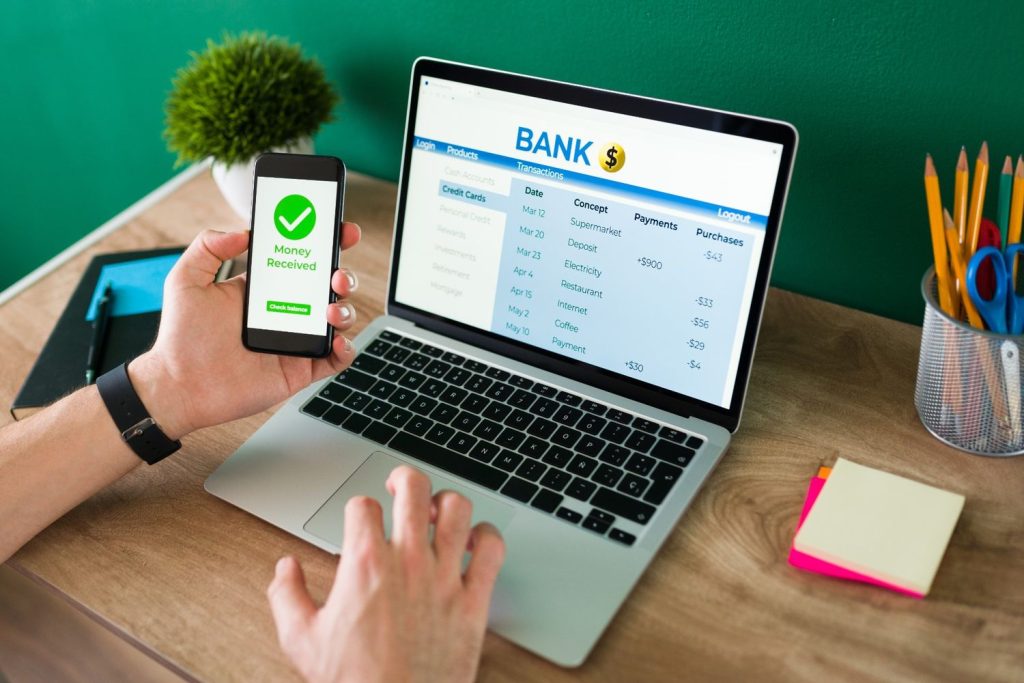
Avoiding bank fees doesn’t require expert budgeting, just a few of these practical changes.
Choose Fee-Free or Online Accounts
If your account feels like it penalizes you more than it supports you, it’s worth checking if your bank offers something better – or at least something that waives the monthly maintenance fee more easily.
Set Up Direct Deposit
Some accounts waive the fee if you set up direct deposit or use the account actively. Others just skip the fee altogether, especially online accounts or those from credit unions.
Use Only In-Network ATMs
If your ATM withdrawal triggers a message saying, “You may be charged a fee by this operator,” take that as a warning.
Stick to your bank’s ATM network, or look for partner ATMs listed in the mobile app.
Sign Up for Low-Balance Alerts
Most banks let you turn on low balance alerts by email, text, or app notification. It’s one of the easiest ways to avoid overdrafts, insufficient funds charges, or declined payments.
You can usually choose your own threshold. For example, if your account hits $100, get a text.
This gives you time to transfer money from a linked account or pause a scheduled bill pay before a payment fee gets triggered.
Compare Low-Fee Bank Accounts
Even if you don’t want to change banks, it’s worth comparing the accounts they offer. Some refund ATM fees, waive foreign transaction fees, or include perks like free checks or no opening fee.
If you’re getting charged regularly, ask your bank if you’re in the best account for your situation. Or research to compare with other banks just to see what’s out there.