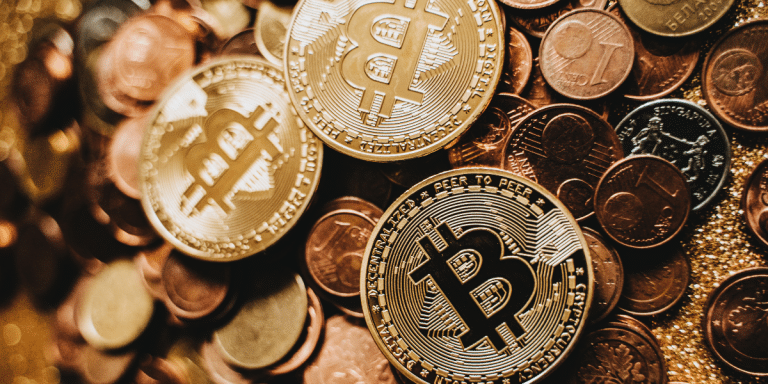
Cryptocurrency gains value from a mix of supply and demand, market utility, and investor sentiment. Unlike traditional currencies backed by governments, digital assets like Bitcoin and Ethereum rely on scarcity, technology, and adoption to determine their price. When demand increases or new use cases emerge, such as smart contracts, payments, or decentralized finance (DeFi), the value of a cryptocurrency can rise. On the other hand, regulatory changes, low liquidity, or loss of trust can cause it to fall.
For investors, understanding what drives crypto prices is essential. These factors not only affect whether a coin appreciates or loses value but also how it’s taxed. In the United States, cryptocurrencies are treated as property, meaning gains can be subject to capital gains tax or income tax, depending on how the asset is used.
This guide explains why cryptocurrencies have value, how their prices move, the risks that can cause them to drop, and how crypto taxes work in 2025.
Why Do Cryptos Have Value?
Cryptocurrencies derive value from a mix of scarcity, utility, trust, and market dynamics. While they may look like lines on a screen, their worth comes from both hard-coded design features (such as supply caps) and human belief in their usefulness.
Fiat vs. Crypto: A Trust-Based System
Traditional fiat money (like the U.S. dollar) once relied on the gold standard, where a fixed amount of gold backed every dollar. That link ended in 1971, meaning today’s dollars hold value because people trust they can be exchanged for goods and services. Cryptocurrencies work similarly, but instead of governments and central banks backing them, they rely on blockchain networks and consensus mechanisms. Trust comes from code, transparency, and community validation rather than a central authority.
Scarcity and Bitcoin’s Halving Cycles
Scarcity drives value in both gold and Bitcoin. Gold is valuable because it’s limited and difficult to mine. Bitcoin mirrors this by capping its supply at 21 million coins. To reinforce scarcity, Bitcoin undergoes halving events roughly every four years, cutting the reward miners earn in half. This slows new supply and has historically preceded major price increases, making scarcity one of Bitcoin’s most powerful value drivers.
Utility
Crypto’s value isn’t just about scarcity or trust, it also depends on how useful the network is. Ethereum’s ability to run smart contracts, decentralized applications, and NFTs creates ongoing demand for its token (ETH). Stablecoins like USDC or USDT are valued for fast, low-cost transfers.
Speculation
Many investors buy tokens expecting future price appreciation. Market sentiment, social media hype, or influencer activity (e.g., Elon Musk tweeting about Dogecoin) can cause short-term spikes.
7 Ways to Predict Whether a Cryptocurrency Will Gain Value
Cryptocurrency prices are notoriously volatile, but there are consistent factors investors watch to gauge whether a coin could appreciate. While no method guarantees accuracy, combining fundamental analysis (utility, tokenomics, governance) with market signals (sentiment, liquidity, technical charts) helps create a clearer picture.
Utility
A token with genuine use cases tends to attract sustained demand. For example, Ethereum (ETH) holds long-term value because it powers smart contracts, decentralized applications (dApps), and NFTs. Stablecoins such as USDC are widely used in payments and DeFi transactions. When people actively need a token to transact, stake, or interact with a blockchain, its demand is more durable than coins that run purely on hype.
Market Sentiment
Cryptocurrencies often react more to sentiment than fundamentals. Positive headlines, exchange listings, or adoption announcements can spark sharp rallies, while negative news can trigger sell-offs. Influencers like Elon Musk have demonstrated how a single tweet can move prices, as seen with Dogecoin. Monitoring social media, news outlets, and search trends is key to tracking how the crowd feels about a token at any given time.
Competition
A cryptocurrency’s value is also shaped by the strength of its competitors. Layer-1 blockchains such as Ethereum, Solana, and Avalanche compete for dominance as base networks, while layer-2 solutions like Arbitrum and Optimism aim to improve speed and reduce fees on top of existing chains. If a project falls behind in performance, developer support, or user adoption, competitors can capture its market share, leading to reduced demand for its token.
Governance
Strong governance mechanisms help build trust and attract long-term investors. Decentralized Autonomous Organizations (DAOs) allow token holders to vote on upgrades, treasury spending, and protocol changes, giving communities more control over a project’s direction. Transparent and credible governance makes a project more resilient, while weak or centralized governance can lead to stagnation, manipulation, or eventual abandonment.
Tokenomics
The design of a token’s economy, often called tokenomics, can make or break its value. Bitcoin is capped at 21 million coins, creating scarcity, while other tokens issue new supply continuously, which may dilute value. Mechanisms such as Ethereum’s EIP-1559, which burns a portion of transaction fees, help reduce circulating supply. On the other hand, poorly structured vesting schedules with heavy insider unlocks can lead to sell pressure. Well-balanced tokenomics sustain demand and encourage long-term holding.
Liquidity
Liquidity determines how easily investors can buy or sell a token without major price swings. High trading volumes and listings on established exchanges generally signal healthier markets, while thin liquidity can make a coin more volatile and susceptible to manipulation. A cryptocurrency that is widely accessible on reputable platforms is typically more appealing to both retail and institutional investors.
Technical Analysis
While fundamentals explain long-term value, traders often use technical analysis (TA) to time short-term moves. This includes studying support and resistance levels, moving averages, and momentum indicators such as RSI, MACD, or Bollinger Bands. Although TA cannot predict intrinsic value, it helps investors identify entry and exit points within broader market cycles, improving their ability to manage risk and capture potential gains.
How do cryptos gain value?
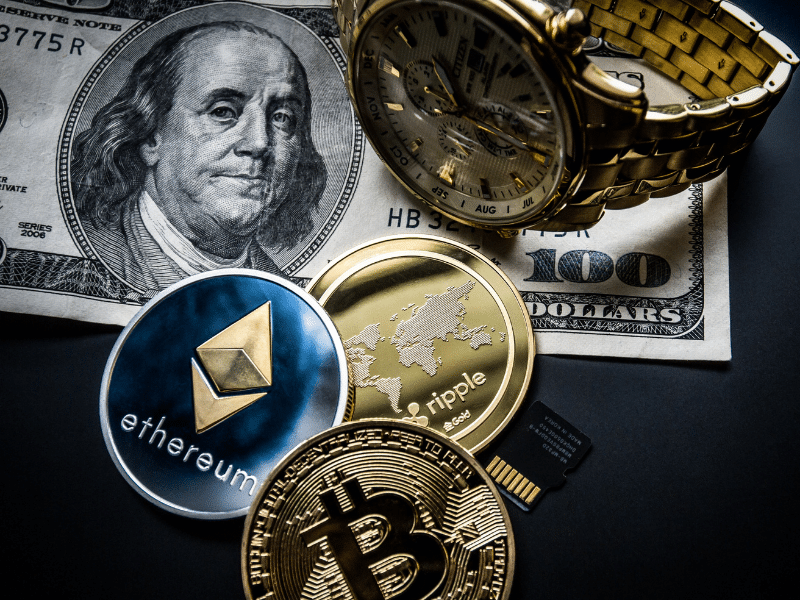
As more people want to invest in bitcoin, cryptocurrencies gain value. This is when one of the most basic principles of economics apply: the law of supply and demand.
According to this rule of thumb, increased demand means higher prices. That’s one way cryptos gain value, but the following factors have an impact as well:
- Speculation – When Elon Musk tweets Dogecoin (DOGE), its price increases. This may seem silly, but news like this is an effective way of checking how the market will behave. If investors believe a coin will cost more, then more of them will rush to buy them while they’re cheap. This keeps going until the value rises high enough.
- Acceptance – Nowadays, people want cryptos because the networks have more features. For example, Ethereum (ETH) lets you use smart contracts. More use-cases mean more people want to buy a cryptocurrency.
- Whales – Some investors buy and sell coins worth millions of dollars. They’re called “whales” in crypto slang because they can make huge waves in the market. One large transaction could cause a huge bump in price or a massive selling frenzy!
- Blockchain scalability – A crypto network should be ready to handle more users as time passes. If the network could handle the extra load, its token would likely increase in value. Otherwise, it could hurt the user experience, so people might exchange its tokens for another one and reduce prices.
Read More: Why Does The Crypto Market Keep Crashing?
How are they taxed?

You can answer “How does cryptocurrency gain value?” in two ways. It can work as a capital asset and earned income. This means it has two types of crypto taxes too.
Cryptos work like stocks because their prices rise and fall too. The term capital gains tax has two forms: short-term and long-term in the US. Let’s see how they work for cryptocurrencies:
- Short-term capital gains – You pay these for cryptos you’ve only held for less than a year. Also, you may deduct losses worth a maximum of $3,000. Capital losses above that amount can reduce next year’s taxes.
- Long-term capital gains – Once you’ve held cryptos for more than a year, you stop paying short-term capital gains taxes and start paying long-term ones. Your tax liability will depend on your tax bracket and tax rate. If you want to learn more about this type of tax, click here.
Next, let’s talk about how cryptos provide taxable income. This happens when you do the following things with your cryptocurrencies:
- Selling them for cash
- Buying stuff with them
- Buying crypto using another on an exchange platform
- Mining or confirming transactions to earn more coins
- Receiving them as payment or from an airdrop
- Earning rewards from crypto staking, depositing coins to earn more
Explaining how this type of tax works with cryptos will take a long time. Visit the IRS website to learn more about terms like cost basis and ordinary income.
Final thoughts
Make sure to file your tax returns properly and on time. It’s hard to do it yourself, so you might want to ask for help from a tax preparer. You can find many websites that can help too.
Note that this article is not meant to give investment advice. If you’re interested, be sure about your goals and plan how you’ll go about it. That way, you can pick the best assets.
Also, check out Financial Daily Updates for more crypto articles. You can also learn about other assets here, such as stocks, bonds, index funds, and more!