Sixty-one percent of U.S. credit card holders have been victims of fraud, and 51% have experienced it more than once, according to Security.org’s 2026 Credit Card Fraud Report and Statistics.
With fraud this widespread, spotting an unfamiliar charge on your statement has become less of a rare event and more of an expected inconvenience. Most people don’t know what to do next or who to contact first.
Your card issuer gives you a formal way to dispute it, and it’s called a chargeback.
What Is a Chargeback?
A chargeback is a transaction reversal processed through your credit card issuer. It returns a disputed charge to your cardholder’s account when a merchant refuses to refund or stops responding to your complaint.
How Does a Chargeback Work?
Once you report a problem to your credit card issuer, it contacts the acquiring bank and the card network to verify the original transaction.
Your issuing bank may post a provisional credit to your account during the review.
The merchant can accept the disputed charge or submit compelling evidence to contest it. Under the Fair Credit Billing Act (FCBA), the bank decides within two billing cycles or 90 days.
Types of Chargebacks
Chargebacks fall into three categories depending on what triggered the dispute.
True Fraud
Actual fraud happens when someone uses your card or account information without your permission.
Fraudulent transactions are the primary reason the chargeback system exists, and filing one reverses the charge.
Friendly Fraud
Sometimes a cardholder disputes a legitimate transaction by mistake, either because the charge looks unfamiliar or a household member used the card without mentioning it.
Merchant Error
Billing errors cover merchant-side mistakes: undelivered products or services, duplicate charges, incorrect amounts billed, or subscriptions that kept charging after cancellation.
Read More: Best Credit Cards: Top Picks for Rewards, Travel & More
When to Ask for a Chargeback
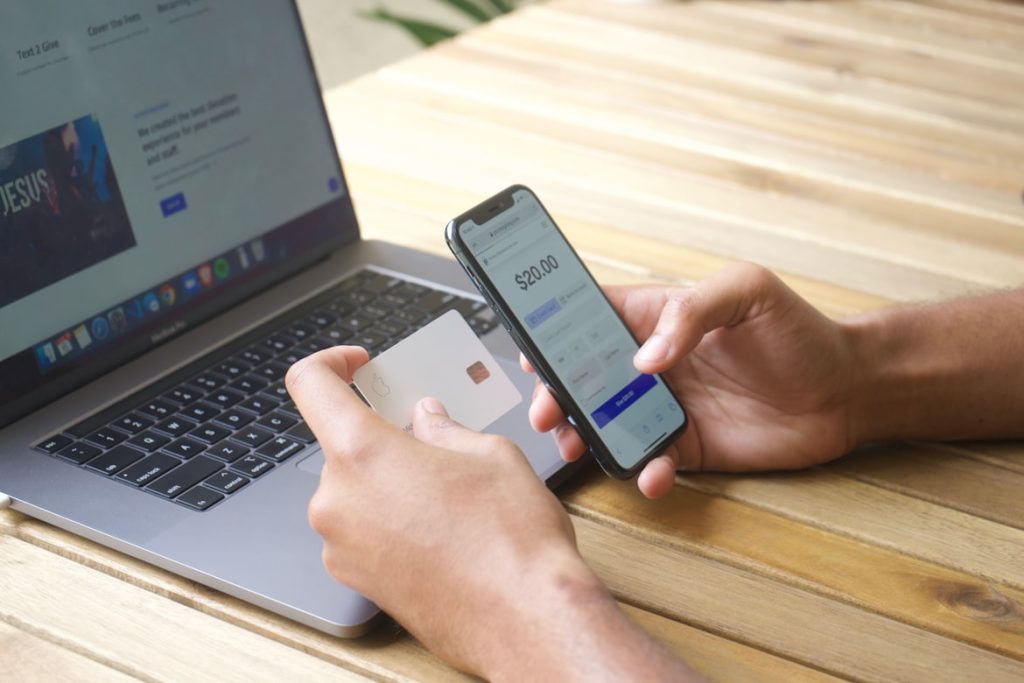
Contact the merchant first and try to resolve the issue directly. If they refuse or go unresponsive, bring the chargeback dispute to your credit card issuer and let the formal process handle it from there.
How to Dispute a Chargeback
- Review your card statement. Cross-check the charge against your receipts to confirm it’s incorrect.
- Contact the merchant first. Request a resolution before escalating. Many disputes get settled here.
- File a dispute with your issuer. If the merchant refuses, submit a chargeback dispute online, by app, or by phone. For full FCBA protection, send a written notice to your credit card issuer within 60 days of the charge posting. Include your account details, the disputed amount, and any supporting evidence.
- Receive a provisional credit. Your issuer posts a provisional credit equal to the disputed charge during the review.
- Wait for a resolution. Your issuer has 30 days to acknowledge and up to 90 days to resolve the dispute. Respond promptly to any documentation requests. If approved, the provisional credit becomes permanent. If denied, the issuer sends a written notice with the amount owed.
Does Disputing a Charge Hurt Your Credit?
Filing a chargeback dispute does not affect your credit score. Your account may show as “in dispute” on your credit report, which some lenders factor into loan decisions.
Missing payments during the chargeback process is the actual risk. Skipped minimum payments get reported to credit bureaus and can lower your score. Keep paying on time until the dispute is resolved.
Chargeback vs. Refund
| Chargeback | Refund | |
|---|---|---|
| Who initiates | Customer files through their financial institution | Customer requests directly from merchant |
| Parties involved | Customer, issuing bank, merchant’s bank, payment processors, credit card companies | Customer and merchant only |
| Fees levied | Chargeback fee of $5 to $50, charged to the merchant | No additional fees |
| Total cost to merchant | Lost revenue plus further fees depending on risk level | Returned purchase amount only |
| Final decision | Made by the financial institution | Made by the merchant |
| Evidence provided | Both sides can provide evidence during the initial dispute | Up to the merchant’s discretion |
| Risk to merchant | Higher chargeback ratio can trigger penalties from payment processors | No ratio impact |
| Best for | Fraudulent activity, unresolved customer disputes | Resolving issues directly for customer satisfaction |