Life throws curveballs, and even the most disciplined savers can end up with an empty emergency fund. You’re not alone, according to Bankrate, 56% of Americans couldn’t cover an unexpected $1,000 expense with savings.
That means more than half the country is just one surprise bill away from financial stress. If you’ve run out of savings, it can feel unsettling, but it’s far from the end of the road.
This article will walk you through practical steps you can take right now, from prioritizing essential expenses to exploring temporary income boosts and rebuilding your safety net.
You’ll also learn how to avoid common mistakes that make financial setbacks worse and how to position yourself for long-term stability. The goal isn’t just to survive this rough patch, but to come out stronger and more financially prepared for the next challenge.
What to Do if You Have No Savings?
Unfortunately, you might not have extra money set aside.
After all, you probably had trouble juggling expenses even before the pandemic. Maybe you had numerous bills every month, but you struggled even to meet minimum payments.
Thankfully, there is always something you can do if you don’t have emergency savings.
Lower Budget

First, tighten your budget temporarily by reducing your expenses.
We are in a global economic downturn, so you must efficiently manage your finances. Even if the coronavirus disappears, the economy will take years to recover.
Everything would continue to cost more, yet most people won’t start earning again soon.
If you’ve run out of emergency savings, you may want to spend less on necessities. This means only purchasing an adequate amount and using more cost-effective alternatives.
For example, avoid wasting groceries. If you have a preferred brand of canned food, buy the more affordable alternative.
You must refrain from buying unnecessary stuff, so you should avoid buying a new smartphone or car for a while. Only spend when needed, so you have more for more important expenditures.
Start Selling Unused Things
Another method you may follow is selling unused or unimportant knick-knacks in your home.
Nearly every household has an attic full of stuff you may display at your garage sale. Take the items out, dust them off, and then show them outside for potential buyers.
Moreover, you may sell them on Amazon or eBay to reach more customers. These websites allow you to get people across the state who may want your unused stuff.
These methods could help you save money for emergency savings quickly. Moreover, you may cover some monthly expenses and bills with this tactic.
Negotiate with Bills and Lenders
Fortunately, the government understands the people’s plight, so they’ve signed the CARES Act into law.
President Trump signed this relief bill on March 27, 2020, to help the American people through this crisis.
For example, it stipulates that all student loan payments must be suspended until December 31, 2020. It also includes the Paycheck Protection Program for small businesses.
Moreover, financial institutions understand that their clients may have run out of emergency savings. Banks know their borrowers will struggle to keep current with payments, so they each have Numerous online services that could help you get started at no cost.
Plan for the essential aspects of your prospective business, such as workforce, equipment, and materials. Set realistic goals for your side hustle, and check if you already have some of the needed items.
You’ll find numerous side business ideas online, from online transcription to home care services.
Rebuild Savings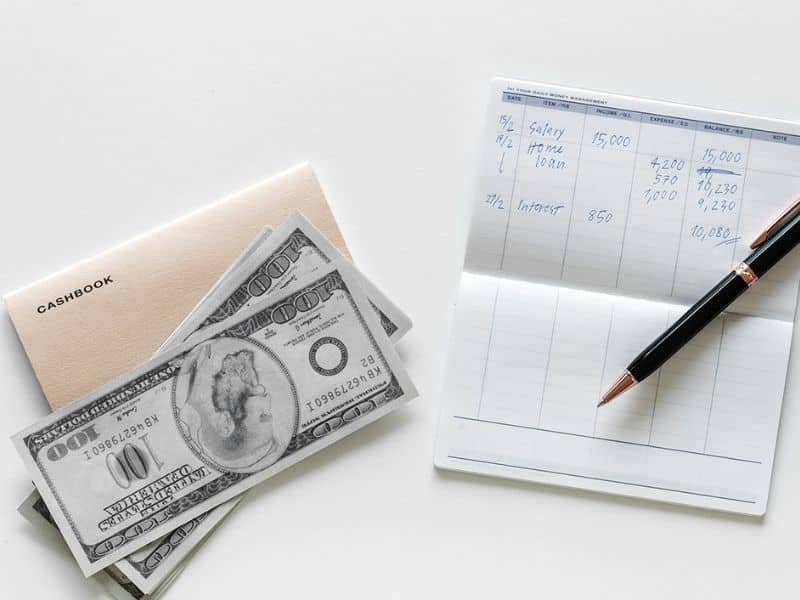
For savvy investors, keeping funds in high-yield savings accounts may have added to their emergency savings.
High-yield savings accounts pay 20-25 times higher annual returns than typical ones. These can earn you more money to replenish your emergency fund.
These usually share the same bank as their checking accounts, facilitating electronic transfers between them.
Alternatively, you may put funds into money market accounts for more considerable gains. They usually allow people to access their money more conveniently than high-yield savings accounts.
 This pandemic taught everyone worldwide how emergency savings act as an essential safety net. People who frequently saved small amounts may have accrued enough to shoulder unexpected expenses during this pandemic.
However, it’s never too late to improve your personal finances. Follow the steps we’ve mentioned so that you can maintain your daily necessities.
More importantly, use these tips to start saving for an emergency fund. This coronavirus crisis made us realize how vital savings are, so apply what you’ve learned.