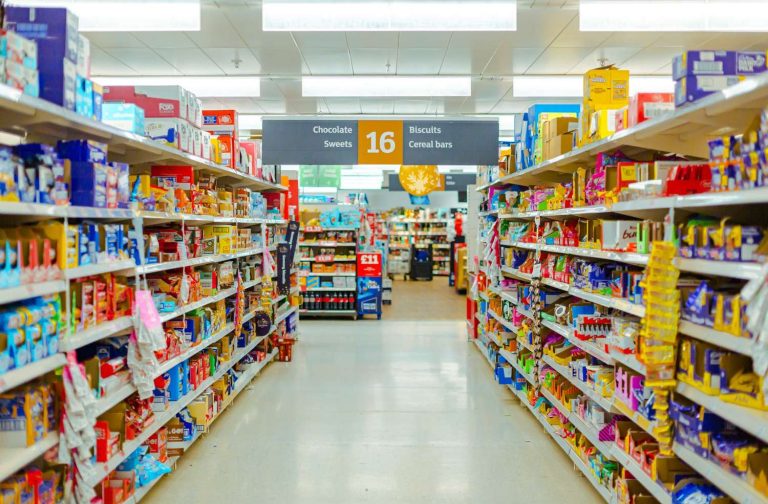
Grocery prices at U.S. supermarkets rose 2.9% from April 2025 to April 2026, according to the May 2026 Food Price Outlook by the U.S. Department of Agriculture (USDA). From March to April 2026 alone, the food-at-home consumer price index (CPI) climbed another 0.7%.
For households spending hundreds of dollars at the supermarket, these increases can strain the budget. A rewards credit card built for grocery spending can put a percentage of the costs back in your pocket.
So what are the best credit cards for groceries in 2026? Here are the top credit card options worth considering.
What Is a Grocery Credit Card?
A grocery credit card is any card that earns grocery rewards on grocery purchases. These cards give you cash back, miles, or points on eligible purchases.
Types of Grocery Credit Cards
- Store credit cards are issued directly by grocery retailers and can only be used at that chain’s locations. These cards include store-specific perks and often have no annual fee, but they offer little value for purchases made elsewhere.
- Co-branded credit cards are built through a partnership between a retailer and a card network. You can use them anywhere the network is accepted, and you’ll earn the highest rewards rates at the partner store. Several grocery chains offer co-branded options with tiered earning structures.
- Tiered rewards credit cards earn cash back on other eligible purchases and offer a higher rate in select bonus categories, including the grocery category. These cards are not exclusive to any one retailer, so you can still earn rewards when you grocery shop at any supermarket.
What to Look for in a Grocery Credit Card

A few specific factors will help you find the right credit card for your grocery shopping budget.
Rewards for Grocery Store Spending
Most rewards cards earn a higher rate in select bonus categories, including groceries. Some cards let you reassign those categories based on your spending habits, which helps if your household expenses shift.
Credit Card Fees
Weigh the annual fee against what you expect to earn. A card with 5% back on grocery purchases and a $95 fee requires over $1,900 in grocery spending just to break even.
For lower budgets, a no-fee card may deliver better annual savings. Also, check for balance transfer fees and late penalty fees in the card details.
Interest Rates
Interest charges eat into your grocery rewards fast. Paying off your entire balance each billing cycle keeps your earnings intact.
Some cards offer a low intro APR for new cardholders after account opening, just pay it off before the promotional period ends.
Why a Dedicated Card for Groceries Is Worth It
A card that earns grocery rewards can turn a recurring cost into a steady source of cash back.
How a Grocery Credit Card Can Help Your Budget
Your reward dollars grow with your grocery spending, so larger household trips return more. Cards that cover chain supermarkets, wholesale clubs, and delivery apps broaden where you earn rewards.
You can then redeem rewards as a statement credit, cash, or a gift card toward future grocery costs.
How a Grocery Credit Card Can Help Your Credit
Grocery purchases happen on a regular schedule, which makes them a reliable base for building a credit score.
Charging groceries to your card and paying the balance each billing cycle builds a positive payment record without adding unpredictable debt.
Read More: Credit Score Recovery: How to Rebuild Your Credit Score
Best Credit Cards for Groceries 2026
Below are FDU’s top credit card picks for grocery spending:
Best Overall / Top Cash Back: Blue Cash Preferred Card from American Express
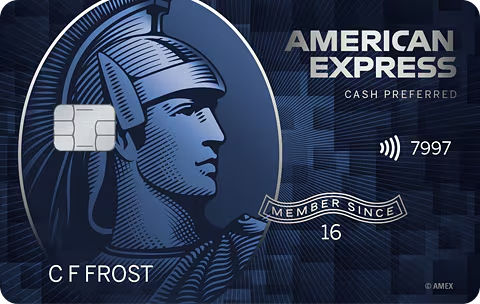
- Annual fee: $0 intro annual fee for the first year, then $95
- Rewards rate: 1%-6%
- Intro offer: As high as $300 cash back
- APR: 19.49%-28.49% Variable
What we like: The 6% rate at U.S. supermarkets is among the highest on any rewards card. New cardholders get the annual fee waived for the first year, giving them time to gauge how much the card earns before the $95 kicks in.
What we don’t like: The grocery category excludes wholesale clubs and superstores like Walmart and Target. The $6,000 annual spending cap on the 6% rate reduces annual savings for large households that spend well beyond that threshold.
Best for Travel Perks: American Express Gold Card
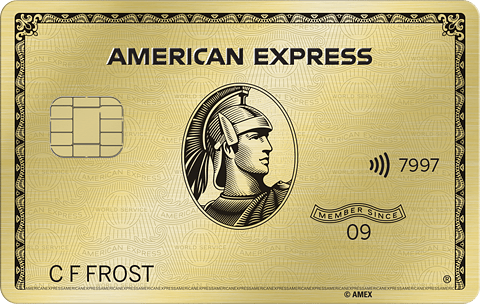
- Annual fee: $325
- Rewards rate: 1X-5X points
- Intro offer: As high as 100,000 points
- APR: 19.49%-28.49% variable
What we like: Groceries, dining, and air travel all earn at competitive rates on a single card. Cardholders who redeem rewards through airline and hotel partners can squeeze more than 1 cent per point in value.
What we don’t like: The $325 annual fee requires consistent use of the card’s dining and travel credits to offset. Cash back redemption options return less than 1 cent per point, so it loses value for non-travelers.
Best for Dining + Groceries: Capital One Savor Cash Rewards Credit Card

- Annual fee: $0
- Rewards rate: 1%-8%
- Intro offer: $200 cash bonus offer (one-time, after qualifying spend)
- APR: 18.49%-28.49% Variable
What we like: Grocery and dining rewards on a no-fee card in one package is rare. Reward dollars also transfer to Capital One Venture cards, giving cardholders a path to travel redemption.
What we don’t like: The grocery category excludes wholesale clubs and superstores like Walmart and Target. Cardholders focused primarily on one category, groceries or dining, can find higher rewards rates elsewhere.
Best for 2% Cash Back on Everything: Citi Double Cash Card
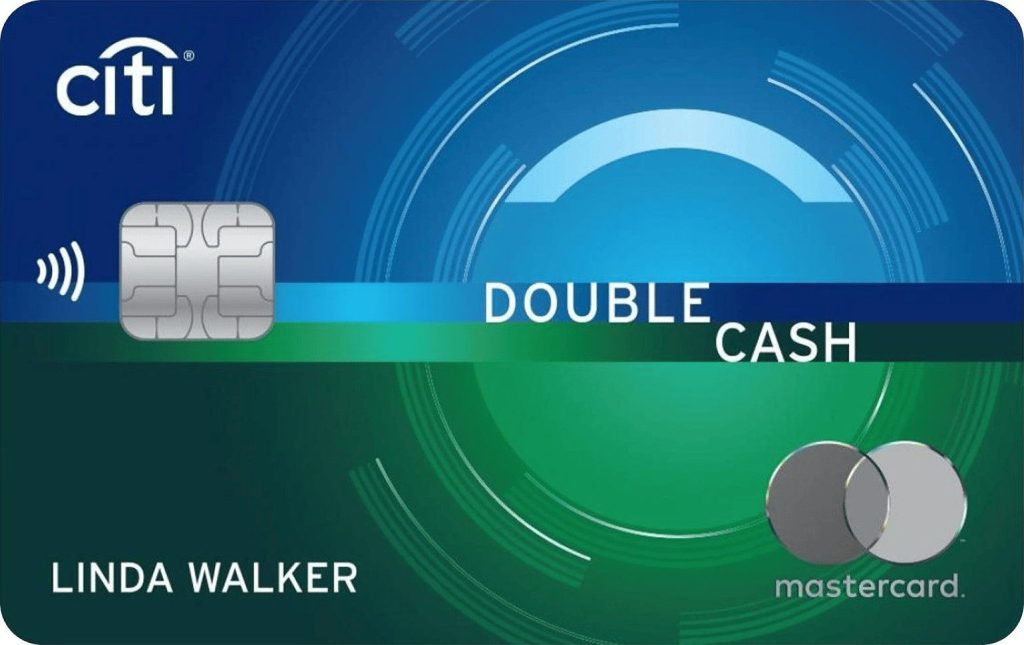
- Annual fee: $0
- Rewards rate: 2-5%
- Intro offer: $200 bonus cash after qualifying spend
- APR: Verify current rate at citibank.com
What we like: The unlimited 2% rate applies to every purchase with no caps. Cash back is technically earned as bonus points and can transfer to select Citi cards for travel redemption.
What we don’t like: No intro APR on new purchases at account opening. Half of your rewards post only after payment, which delays access to the full earn cash amount.
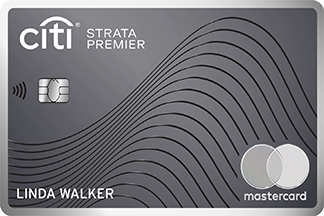
Best for Travel Rewards: Citi Strata Premier Card
- Annual fee: $95
- Rewards rate: 1X-10X points
- Intro offer: 60,000 bonus points after qualifying spend
- APR: 19.49%-27.49% Variable
What we like: The $100 annual hotel credit offsets the annual fee for cardholders who book at least one qualifying hotel stay per year. Points transfer to multiple partners, including American Airlines and JetBlue.
What we don’t like: No intro APR offer. Travel benefits lag behind similarly priced competitors, and hotel transfer partners skip several popular chains.
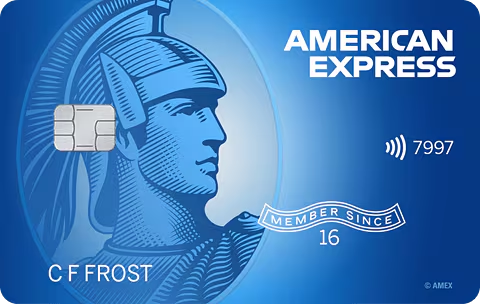
Best 0% APR: Blue Cash Everyday Card from American Express
- Annual fee: $0
- Rewards rate: 1%-3%
- Intro offer: As high as $200 cash back
- APR: 19.49%-28.49% Variable (intro 0% APR period available for new cardholders; verify current terms)
What we like: Three common expense categories earn at 3% with no annual cost. The intro APR lets cardholders finance an online purchase and pay it off interest-free while earning cash back on the transaction.
What we don’t like: The 3% rate is lower than what premium grocery cards offer. Wholesale clubs and superstores fall outside the grocery category and earn only 1%.
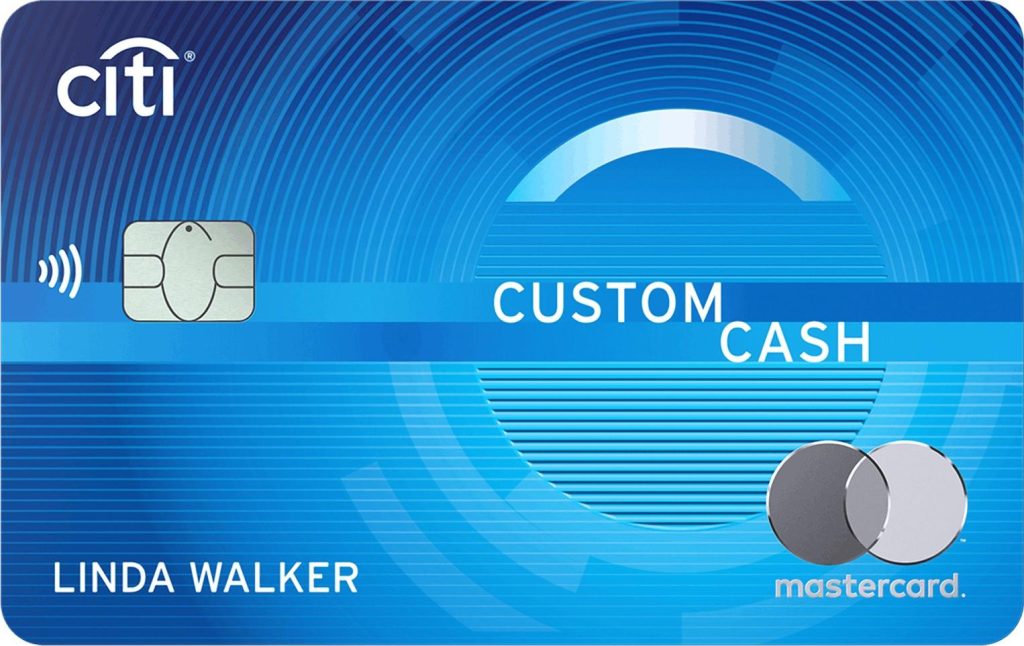
Citi Custom Cash Card
- Annual fee: $0
- Rewards rate: 1%-5%
- Intro offer: $200 bonus cash
- APR: 17.49%-27.49% Variable
What we like: The automatic 5% structure removes the need to manage bonus categories each quarter. Each dollar spent in the top category returns at the same rate as premium grocery cards, without the fee.
What we don’t like: The $500 monthly cap on the 5% rate limits earn cash potential for larger households. The card earns high rewards in only one category per billing cycle, so it performs poorly across varied spending habits.
Bank of America Customized Cash Rewards Credit Card

- Annual fee: $0
- Rewards rate: 1%-6%
- Intro offer: $200 cash bonus offer after qualifying spend
- APR: 17.49%-27.49% Variable
What we like: Bonus cash back at wholesale clubs like Costco and Sam’s Club is a rare feature among grocery rewards cards. Monthly category flexibility lets cardholders align bonus categories with shifting spending habits.
What we don’t like: The combined $2,500 quarterly cap across the 2% and 3% categories limits earnings for heavy spenders. Households that hit the cap mid-quarter drop to 1% on all remaining grocery purchases until the next reset.
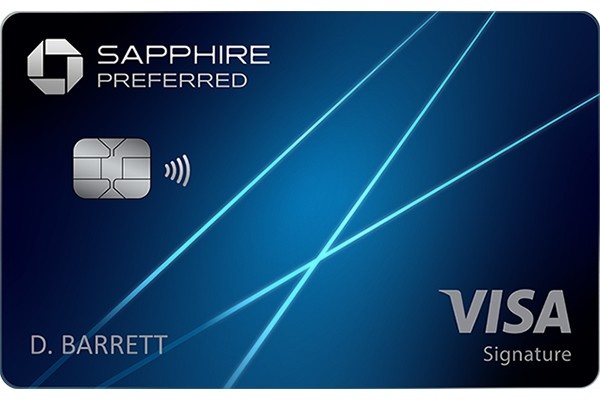
Chase Sapphire Preferred Card
- Annual fee: $95
- Rewards rate: 1X-5X points
- Intro offer: 75,000 bonus points after qualifying spend
- APR: 19.24%-27.49% Variable
What we like: The 75,000-point sign-up bonus ranks among the most competitive on any travel card. Points transfer to Chase airline and hotel partners, expanding redemption options well beyond cash back.
What we don’t like: The 3X grocery rate applies to online orders only, so in-store grocery shopping earns at a lower rate. The $95 annual fee requires regular travel to get full value from the card’s perks.
Instacart Mastercard

- Annual fee: $0
- Rewards rate: 5% on Instacart orders (up to $6,000/year), 1% after
- Intro offer: Verify current welcome offers at the card issuer’s site
- APR: Verify current rate at the card issuer’s site
What we like: The 5% rate on delivery orders is one of the highest available on a no-fee rewards card for grocery delivery. Households already using Instacart regularly can generate meaningful annual savings without paying anything extra.
What we don’t like: The 5% rate was previously uncapped. The $6,000 annual ceiling reduces its value for households placing frequent large orders. In-store shoppers get little use out of this card.
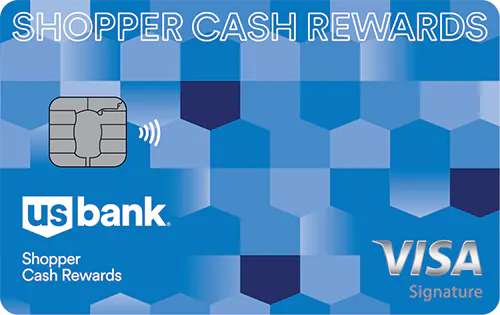
U.S. Bank Shopper Cash Rewards Visa Signature Card
- Annual fee: $95
- Rewards rate: 1.5%-6%
- Intro offer: Verify current bonus offer at usbank.com
- APR: Verify current rate at usbank.com
What we like: The 6% rate of excluding superstores from typical grocery programs fills a real gap. The 1.5% base rate on other eligible purchases beats the standard 1% floor on comparable cards.
What we don’t like: Both the 6% and 3% rates cap at $1,500 per quarter. Cardholders must pre-select their 6% retailers each quarter, so purchases at an unchosen retailer earn at the base rate even during that period.
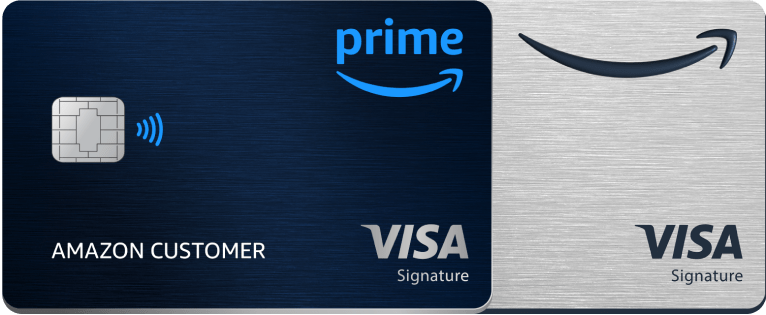
Prime Visa
- Annual fee: $0 (Prime membership required; verify current cost at amazon.com)
- Rewards rate: 1%-5%
- Intro offer: Verify current welcome offers at amazon.com
- APR: Verify current rate at amazon.com
What we like: The 5% rate covers both Amazon orders and Whole Foods grocery purchases with no annual cap. Cardholders can redeem rewards toward Amazon purchases immediately after earning them each billing cycle.
What we don’t like: Prime membership adds a subscription cost that exceeds most credit card annual fees. Outside the Amazon and Whole Foods ecosystem, the card’s rewards rates on other purchases are unremarkable.
Other Options Worth Considering
Not every grocery card fits into one category, so these additional picks cover flat-rate earners, store-branded cards, and rotating category options.
Flat-Rate Cash-Back Cards
- Citi Double Cash Card: Earns 2% cash back on all purchases (1% at purchase, 1% on payment).
- Bonus offer: $200 cash back after $1,500 spent in the first 6 months of account opening, fulfilled as 20,000 ThankYou Points.
- Wells Fargo Active Cash Card: Earns 2% cash back on all eligible purchases.
- Bonus offer: $200 cash rewards bonus after $500 spent in the first 3 months.
- Apple Card: Earns 2% cash back on all purchases through Apple Pay. No bonus offer.
- Capital One Quicksilver Cash Rewards Credit Card: Earns 1.5% cash back on all purchases.
- Bonus offer: $200 cash bonus after $500 spent within 3 months of account opening.
- Chase Freedom Unlimited: Earns 1.5% cash back on other purchases outside its 3% and 5% bonus categories.
- Bonus offer: $200 bonus after $500 spent in the first 3 months.
- Bank of America Unlimited Cash Rewards Credit Card: Earns 1.5% cash back on all purchases.
- Bonus offer: $200 online cash rewards bonus after $1,000 spent in the first 90 days of account opening.
Store-Branded Cards
General-purpose rewards cards earn grocery rewards across multiple supermarkets. For shoppers loyal to one retailer, a store-branded card can deliver better value at those specific merchants.
Costco Anywhere Visa® Card by Citi
- Annual fee: $0
- Rewards rate: 1%-5%
- Intro offer: Verify current welcome offers at costco.com
- APR: Verify current rate at costco.com
What we like: The combination of wholesale clubs grocery earning, gas stations rewards, and EV charging stations cash back makes it one of the most versatile store-branded cards available.
What we don’t like: Costco membership is a prerequisite, adding an annual cost on top of the card. Redemption options are limited to an annual certificate redeemable only at Costco.
Target Circle™ Credit Card
- Annual fee: $0
- Rewards rate: 5% discount at Target (not cash back)
- Intro offer: Verify current bonus offer at target.com
- APR: Verify current rate at target.com
What we like: The 5% discount posts at checkout rather than accumulating as reward dollars for later use, delivering instant annual savings on every Target visit.
What we don’t like: The discount applies only at Target, so it offers no value for grocery shopping elsewhere. It functions as a store card without general-purpose rewards rates.
Walmart OnePay CashRewards Card
- Annual fee: $0
- Rewards rate: 3% (5% with Walmart+ membership)
- Intro offer: Verify current welcome offers at walmart.com
- APR: Verify current rate at walmart.com
What we like: The 5% rate for Walmart+ members covers both in-store and online grocery purchases at one of the country’s largest grocers, with no annual fee on the card itself.
What we don’t like: Reaching the 5% rate requires a Walmart+ subscription, which adds a separate recurring cost. Outside Walmart, the card’s earn rewards rate offers limited value.
5% Rotating Category Cards
The Chase Freedom Flex and Discover it Cash Back each earn 5% cash back in rotating bonus categories that cardholders activate each quarter, on up to $1,500 in spending per quarter, then 1% on other purchases. Neither card charges an annual fee.
- Grocery stores have featured as a grocery category on both cards in recent years.
- Both cards include rotating bonus categories tied to common everyday expenses, keeping them useful beyond grocery quarters.
- Cardholders who activate on time earn high rewards on grocery purchases at no annual cost.
- The grocery rate applies for one quarter per year, so earnings in this grocery category are seasonal.
- Missing the quarterly activation drops the rate to 1% for that entire period.
Tips for Maximizing a Grocery Credit Card
- Go for co-branded store cards. Wholesale clubs like Sam’s Club and Costco, plus Walmart and Target, fall outside the grocery category on most rewards cards. A co-branded card for those stores extends your earn rewards rate where general-purpose cards stop.
- Take advantage of other reward categories. Most grocery cards include bonus categories like gas stations. Fuel at wholesale clubs rarely qualifies on general-purpose cards, so a co-branded card there earns more on other eligible purchases.
- Use partner service perks. Some grocery cards include credits for meal-kit or delivery services. Use them before they expire to layer savings on top of your grocery rewards.
When You Might Want Two Grocery Credit Cards
- You often exceed your spending cap. A second card with its own grocery category covers spending beyond the first card’s limit. Many cards offer rewards between 3% and 6% cash back per dollar spent.
- You can double your cap with a partner. If a spouse or partner opens the same card and adds you as an authorized user, your household effectively doubles the spending cap. Both cardholders need to pay the entire balance each billing cycle to protect both credit profiles.
How We Chose the Best Grocery Credit Cards
Our credit card picks were evaluated on rewards rates for grocery purchases, annual fee relative to potential earnings, and available redemption options like statement credit, cash, and travel points.
We also factored in other fees, such as foreign transaction fees and balance transfer fees, along with card details verified through research from credit card company websites and reputable third-party reviewers.