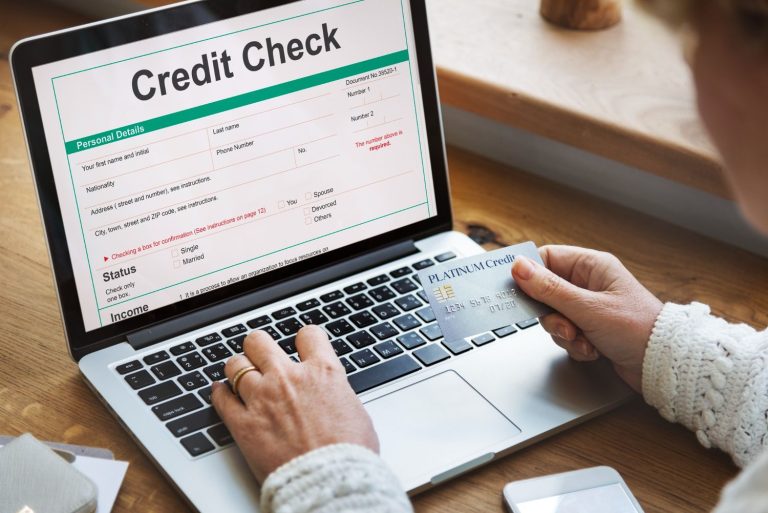
About 70% of Americans now use mobile wallets. Many also rely on payment apps to send, receive, and manage money. For businesses, a payment service provider makes this possible by providing a cashless payment option to consumers.
Since many consumers are less likely to complete purchases if online payment methods are unavailable, businesses must ensure they have a payment service provider that fits their business structure.
What Is a Payment Service Provider?
Payment service providers are the payment processors that businesses use to receive payments.
Instead of opening a dedicated merchant account, companies can use a payment service provider to process payments through one platform.
Most payment service providers offer both a merchant account and a payment gateway as part of their setup.
This allows them to manage the entire transaction lifecycle, from capturing the payment to depositing the funds, while keeping sensitive data encrypted and secure.
A robust provider also supports every life cycle stage of your business.
A payment service provider for high-risk merchants, for example, also handles additional screening and fraud monitoring to meet regulatory and underwriting standards.
In cases like healthcare merchant processing or subscription payment solutions for SaaS, the provider manages recurring billing, failed payment retries, and compliance tasks automatically.
Examples of payment service providers include:
- PayPal
- Square
- Stripe
- Payoneer
Read More: Debt-to-Equity Ratio: Definition, Formula, How to Calculate, & How to Interpret
How Do Payment Service Providers Work?
Payments to a payment service provider go through the following steps:
Start the Payment Process
A payment service provider begins working when a customer enters their payment information. This payment could be a credit or debit card, a digital wallet, or a bank transfer.
The provider then collects this data through a secure system and prepares it for processing, so the business doesn’t need to handle sensitive details directly.
Route the Payment to the Bank
After the customer submits payment, the payment service provider sends it to the acquiring bank, where the transaction officially enters the banking network.
Then, the provider manages formatting, routing, and fraud checks to keep everything accurate and uninterrupted.
Send the Payment Through the Card Network
Next, the acquiring bank forwards the request through the card network to the issuing bank, which holds the customer’s account.
The payment service provider tracks this step and keeps the flow moving between all parties, even for card-not-present transactions.
Get a Fast Approval or Decline
The issuing bank checks for funds, flags for fraud, and sends a yes or no back through the same path.
Afterward, the payment service provider updates both the business and the customer with the result.
Settle the Payment Into Your Account
If the charge is approved, the issuing bank sends the funds to the acquiring bank. From there, the payment service provider transfers the money into the business’s merchant account.
Confirm Everything Automatically
Finally, the payment service provider sends a confirmation through notifications. This shows the payment went through and provides a record of the transaction.
You May Also Like: Contribution Margin: Definition, How It Works, Formula, When to Use, & More
Who Needs a Payment Service Provider?
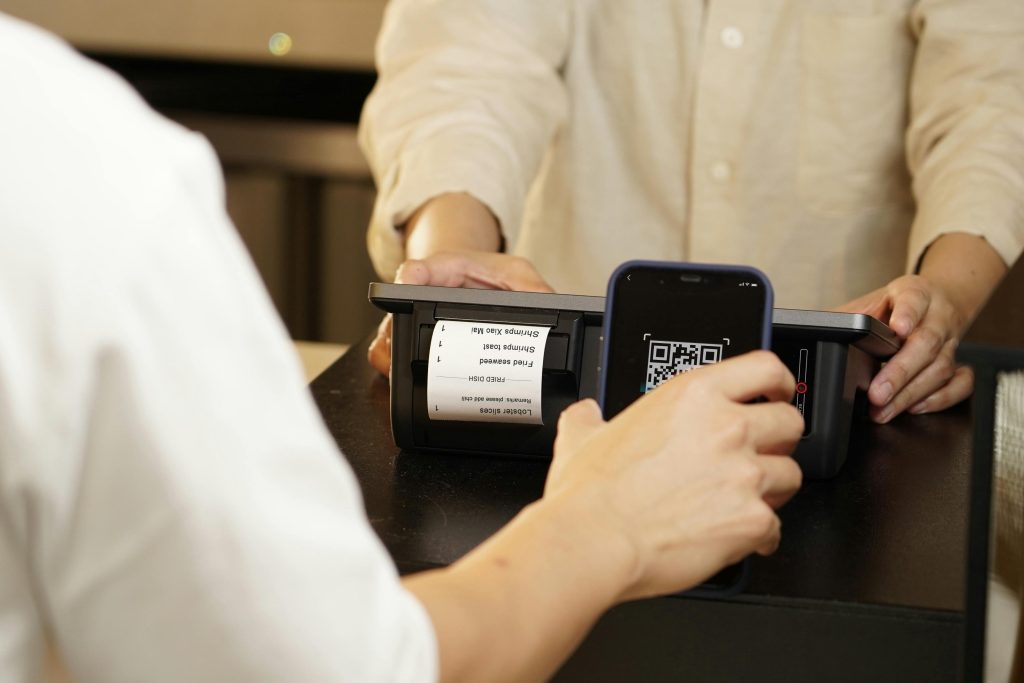
Regardless of the entity, such as sole proprietorship, limited liability company (LLC), or partnership, here are the businesses that need a payment service provider:
E-commerce Businesses
An e-commerce business that sells digital or physical products needs a reliable way to accept payments from domestic and international customers.
A payment service provider is helpful for these businesses because they deal with multiple currencies, currency conversion fees, and digital wallet payments.
For smaller operations, using an all-in-one e-commerce payment solution for small businesses also reduces overhead and speeds up launch time.
Retail Businesses
Retailers with physical locations also benefit from using a payment service provider, especially when they offer in-person payments and online checkout.
For these businesses, many payment service providers offer tools that sync inventory and reporting between physical and digital sales channels.
Service Providers
Service providers, such as consultants, agencies, or professionals in the legal, education, or wellness industries, need a payment service provider to handle online payments, recurring billing, and secure payment experiences.
Whether it’s subscription payment solutions for SaaS or education payment platforms, these tools let service businesses accept payments without managing the technical side of processing transactions.
Benefits of Using a Payment Service Provider
When you use a payment service provider, you can streamline the payment process in the following ways:
Simplify Payments in One Platform
A payment service provider helps businesses manage the entire payment process through one interface.
It combines a merchant account and a payment gateway, which eliminates the need to sign separate contracts with banks or third-party processors.
Many providers also offer quick setup, with developer-friendly application programming interfaces (APIs) and plugins that reduce onboarding time.
Protects Your Business
Security is built into every step of the process. A payment service provider handles fraud prevention, PCI DSS compliance, and secure payment experience requirements so businesses don’t have to build their own controls.
At the same time, machine learning tools can detect fraudulent transactions in real time.
Data encryption and tokenization also help reduce the risk of data breaches, while chargeback tools assist during disputes. This keeps payment environments stable and trustworthy.
Offers the Payment Methods Customers Expect
The more flexible the payment options, the higher the chance of conversion.
A payment service provider allows businesses to support credit and debit cards, digital wallets, bank transfers, and local payment methods.
It also supports multiple currencies and can handle currency conversion services automatically.
In addition, you can offer buy now, pay later (BNPL) or recurring subscriptions to further enhance customer satisfaction.
Save on Processing and Monthly Costs
A payment service provider generally uses transparent pricing with flat rates or tiered models. This helps reduce unexpected costs linked to setup fees, monthly fees, or cross-border markups.
Fraud tools also reduce the financial impact of chargebacks and rejected payments. Some providers even bundle everything into one invoice, streamlining reconciliation and budget planning.
Scale as You Grow
As transaction volume increases, a reliable payment service provider ensures that speed, uptime, and data accuracy are maintained.
It supports multiple payment methods, handles complex routing, and integrates easily into omnichannel payment infrastructure.
For global companies, multi-currency merchant services and real-time payments (RTP) are critical to keeping the checkout smooth.
Monitor Performance With Reports
Most payment service providers offer dashboards that display transaction value, approval rates, refunds, and settlement timelines. This reporting helps optimize processes and identify issues early.
Some tools also sync with business intelligence platforms, making it easier to track trends and performance without switching systems.
Read More: What Is Solvency? – Definition, Ratios, & How to Measure It
How to Choose a Payment Service Provider

To choose a payment service provider, follow these steps:
Choose the Payment Service Provider That Matches Your Customers
Start by confirming that the payment service provider supports the methods your customers actually use.
This includes credit and debit cards, digital wallets, bank transfers, and options like BNPL.
If your checkout doesn’t reflect your customers’ preferred payment methods, drop-off rates can increase.
Additionally, you should look for providers that support new payment methods as needed.
Match Pricing to Transaction Volume and Frequency
Payment service providers may have flat rates, tiered pricing, or volume-based fees.
This is why you must estimate your transaction value and monthly volume to choose the right structure.
For instance, low-volume businesses may prioritize low-fee international payment gateway options.
Meanwhile, high-growth companies need pricing that stays predictable as volume increases.
Therefore, always ask about monthly fees, setup fees, and charges for currency conversion services.
Ensure the Payment Service Provider Supports Multiple Currencies
If your business operates internationally, select payment service providers that support multiple currencies and provide built-in currency conversion fees without third-party tools.
Features like multi-currency merchant services or open banking payment gateway support simplify cross-border expansion.
These features will also help you develop a pricing technique tailored to your customers.
Consider Future Scaling and Product Changes
Growth means higher volume and added complexity. So, choose a payment service provider that supports scale without system failures.
This includes omnichannel payment infrastructure, real-time payments (RTP) capability, and recurring billing with dunning management.
If your business model includes platforms, you may need tools like embedded payments for platforms or white-label payment service provider features for client-facing integrations.
Check How the Payment Service Provider Connects to Your Tools and Stack
Look for payment service providers with clear API documentation and native compatibility with your stack.
Whether you use a CMS, POS, or custom CRM, integration should be simple. Some providers offer a developer-friendly PSP API, while others focus on integrated payments with CRM tools.
If you need a fast launch, a no-code payment gateway for startups may work better.
Know What Security and Fraud Tools Are Included
Security and compliance are non-negotiable. So, choose a payment service provider that is PCI DSS compliant and actively manages fraud prevention. This protects you from chargebacks, fraudulent transactions, and data breaches.
Review Support Options
Downtime and delays directly impact revenue. Make sure your payment service provider offers 24/7 support and real-time monitoring.
Some assign account managers or provide a sandbox environment for testing and QA. Responsive customer support can also resolve issues before they affect your customers.
Analyze the Reporting and Reconciliation Tools
Access to accurate data is critical. Choose a payment service provider with exportable reports and optional BI tool integrations.
These features help track trends, monitor processing transactions, and improve your payment experience.
Review the Terms Before Signing
Before onboarding, review the whole contract. Look at settlement time, refund policy, chargeback management, and cancellation terms.
Some payment service providers have restrictive clauses or hidden fees that can disrupt operations later. If you need control over brand experience, check for support with a custom checkout flow using PSP API or styling tools.
How to Integrate a Payment Service Provider
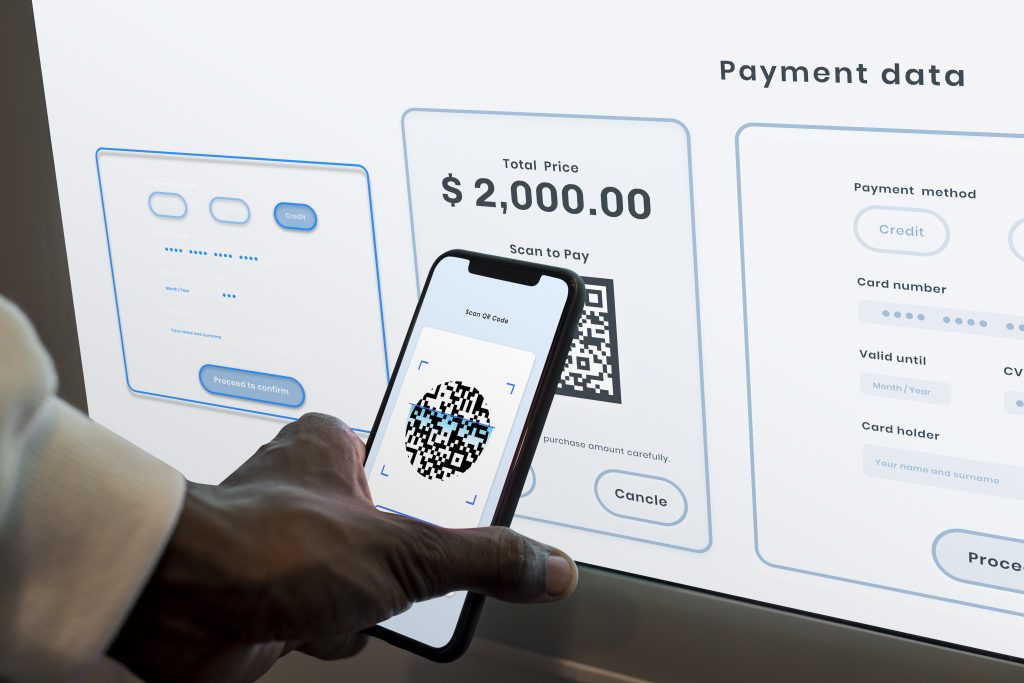
Now that you have a payment service provider, here’s how to integrate it into your business:
Set Up a Merchant Account
Payment service providers typically offer an integrated merchant account, so you don’t need to open one separately through a financial institution.
During setup, you’ll submit business registration documents, banking information, and contact details.
The provider uses this data to approve your account and link it to their payment processing system.
Secure Your API Keys and Credentials
Once your account is approved, the payment service provider will issue API keys. These credentials authorize your website or app to connect with their system.
Store these securely and only share them with verified developers. This step is required to enable processing payments and receiving live responses from the provider’s servers.
Connect Your Payment Processor to Your App or Website
Depending on your payment service provider, you can connect the processor to your app or website through the following methods:
- Most payment service providers provide API integration that supports full customization and direct server communication.
- Some processors have software development kits (SDKs) and libraries that are ideal for developers using specific programming languages.
- Hosted payment pages are web pages hosted by third parties that redirect customers to a secure PSP-managed checkout.
- Payment plugins are available on platforms like Shopify, WooCommerce, or Magento and reduce setup time.
Choose the integration method that fits your technical resources and checkout experience.
Test the Payment Service Provider
Before going live, test the payments to simulate real transactions without moving actual funds.
Test different payment methods, including credit card payments, digital wallet payments, and failed transactions. Make sure the payment experience is responsive, accurate, and follows expected workflows.
Go Live
After testing, verifying the features’ functions, and ensuring they work, switch your payment service provider to live mode.
Monitor your first transactions for success rates, settlement timing, and any issues with transaction details or customer experience.
At the same time, monitor approval rates, failed authorizations, and errors that might impact online payment transactions.
Otherwise, you may need to refine the features before launching if some functions do not provide the right results.
What’s the Difference Between Payment Service Providers vs. Dedicated Merchant Account Providers?
| Feature | Payment Service Providers (PSPs) | Merchant Account Providers |
| What They Do | Offer services to facilitate electronic payment transactions between customers, businesses, and banks. | Banks or institutions offering dedicated merchant accounts for processing electronic payments. |
| Payment Gateway Provided | Yes, typically included with the service. | Sometimes included, but not guaranteed. |
| Accepted Payment Methods | Multiple methods through a single platform or integration. | Supports electronic payments like credit and debit card transactions. |
| Additional Services | Fraud prevention, currency conversion, reporting, analytics, and customer support. | May offer fewer bundled services compared to PSPs. |
| Merchant Account Type | Shared or aggregated merchant account (e.g., Stripe). | Dedicated merchant account per business. |
| Setup Process | Faster setup with minimal underwriting. | Thorough underwriting, including financial and credit checks. |
| Pricing Structure | Standardized pricing, may be higher for large volumes. | Custom pricing, often lower for high-volume merchants. |
| Best For | Small to mid-sized businesses needing quick setup and broad functionality. | Larger businesses with specific needs or high transaction volumes. |