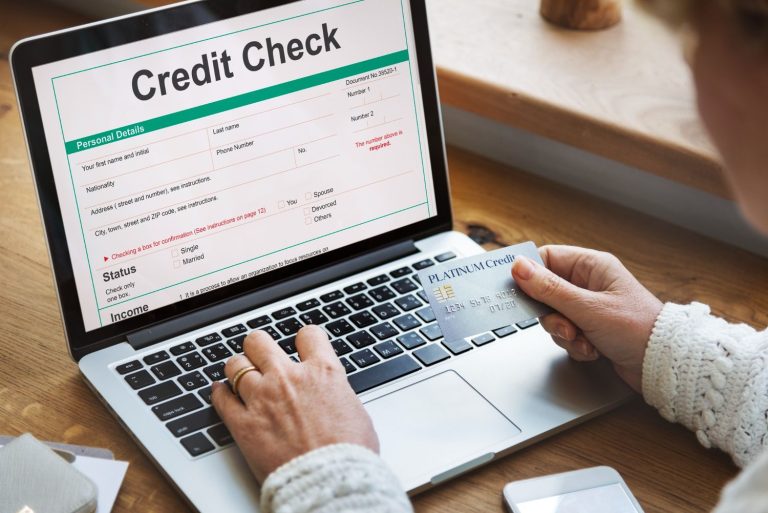
Debt consolidation is the process of combining multiple debts into a single loan or payment. This approach appeals to many as it simplifies repayment and can lower interest rates, making debt more manageable. But how does debt consolidation affect your credit score? The impact can be positive or negative, depending on the method you choose and how effectively you manage the process, making it crucial to understand both the risks and benefits before proceeding.
In this article, we’ll explore how debt consolidation works, its potential effects on your credit, and strategies to maximize its benefits while minimizing risks.
What Is Debt Consolidation?
Debt consolidation involves merging several unsecured debts, such as credit card balances or personal loans, into a single loan. The goal is to streamline repayment and, ideally, reduce interest rates.
With U.S. credit card debt surpassing $1.37 trillion in 2025, the highest on record, according to Experian, many consumers are turning to consolidation as a way to manage high-interest balances and simplify their monthly payments.
Common methods include:
Personal Loans: Structured loans with fixed interest rates and repayment terms.
Balance Transfer Credit Cards: Credit cards offering low or 0% introductory APRs for transferring balances.
Home Equity Loans or HELOCs: Borrowing against your home’s equity to pay off debts.
Read More: Debt Consolidation 101 Guide
How Is Debt Consolidation Connected to Your Credit Score?
Debt consolidation and your credit score are closely linked because how you manage debt and how you choose to consolidate it directly affect key credit scoring factors.
When you consolidate debt, you’re essentially replacing multiple debts (like credit cards or personal loans) with one new loan or line of credit. This can impact your credit score in several ways, both positively and negatively.
You May Also Like: When Is Debt Consolidation a Good Idea?
Positive Effects of Debt Consolidation on Credit Score
When managed effectively, debt consolidation can have several positive effects on your credit score. By simplifying payments, reducing credit utilization, and fostering better financial management, consolidation offers an opportunity to improve your credit health over time.
With consistent on-time payments and disciplined spending, it can be a powerful tool for rebuilding and strengthening your credit profile.
Simplified Payments
Debt consolidation combines multiple payments into one, reducing the chances of missed payments. Since payment history accounts for 35% of your credit score, consistent, on-time payments can significantly improve your score.
Lower Credit Utilization Ratio
Using a debt consolidation loan to pay off credit cards reduces your credit utilization ratio, which is the percentage of available credit you’re using. A lower utilization ratio can lead to a higher credit score.
Improved Financial Management
Debt consolidation simplifies your finances by focusing your repayment efforts on one account. Moreover, this makes it easier to stay on top of your debt and avoid falling behind.
Long-Term Credit Score Benefits
Over time, consistent payments on a consolidation loan can build a strong payment history, a key factor in improving your credit score.
Negative Effects of Debt Consolidation on Credit Score

While debt consolidation can be a helpful financial strategy, it’s not without potential drawbacks that may temporarily or negatively impact your credit score. Factors such as hard credit inquiries, the risk of accruing new debt, and closing old accounts can influence your score if not managed carefully. Understanding these risks is essential to make informed decisions and mitigate potential damage to your credit.
Hard Credit Inquiries
Applying for a consolidation loan or balance transfer card triggers a hard inquiry on your credit report. While the impact is minor and temporary, it can lower your score slightly.
Increased Debt Risks
Consolidating debts can create a false sense of financial freedom. If you continue to use credit cards after consolidating balances, you risk accumulating more debt, which can harm your score.
Closing Old Accounts
If you close paid-off credit card accounts after consolidation, it can shorten your credit history and reduce your credit mix, both of which may negatively impact your score.
Missed Payments on New Loan
Missing payments on your consolidation loan can severely damage your credit. Late payments remain on your credit report for up to seven years, affecting your score and financial opportunities.
Read More: Personal Loans for Debt Consolidation: Is It a Smart Move?
How to Minimize Negative Effects and Maximize Benefits
By adopting smart strategies, you can minimize risks and maximize the benefits.
Research the Right Debt Consolidation Option
Compare personal loans, balance transfer cards, and home equity loans. Look for options with the lowest interest rates, minimal fees, and terms that align with your financial goals.
Keep Old Credit Accounts Open
Maintaining old credit card accounts can help preserve your credit history and improve your credit utilization ratio. If you don’t trust yourself to avoid new debt, cut up the cards without closing the accounts.
Create a Repayment Plan
Budget carefully to ensure you can meet monthly payments on your consolidation loan. Automating payments can help prevent missed deadlines and safeguard your credit.
Avoid Accumulating New Debt
Lastly, resist the temptation to use credit cards or take out new loans after consolidating debt. Focus on reducing your existing balance to avoid a debt spiral.