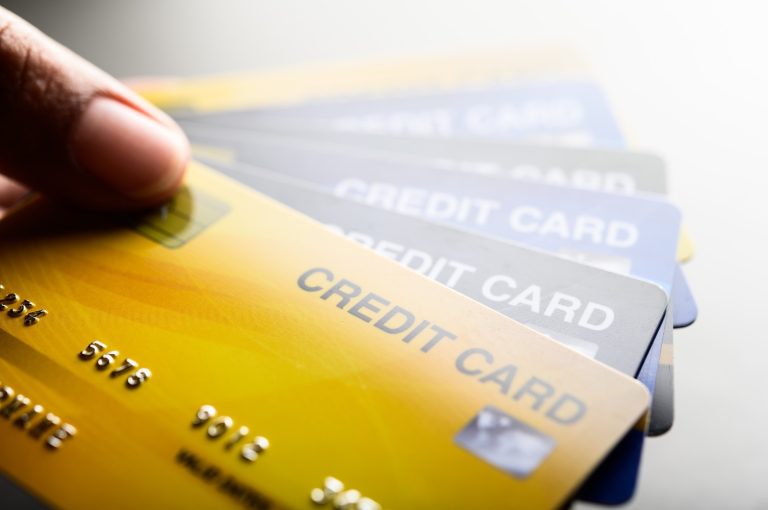
In an early 2026 Statista survey, U.S. credit card users said they use credit cards most often for cash back and rewards, everyday convenience, and the ability to dispute fraudulent charges more easily.
The same survey shows that credit cards also fill budget gaps. Many respondents said they use cards to postpone purchases they cannot afford right away, and some depend on credit cards because bills would be hard to cover otherwise.
These are the reasons many use multiple credit cards. But how many credit cards should you have?
Is It Good to Have Multiple Credit Cards?
Multiple cards help when each card has a specific purpose. Some people open additional credit card accounts to earn credit card rewards like cash back or travel perks, then use different cards for different purchase types.
How Multiple Credit Cards Affect Your Credit Score
Multiple cards affect your credit score through credit utilization, also called your credit utilization rate.
This compares the credit you use to your total available credit. Lenders usually prefer utilization under 30%, and higher utilization can negatively impact scores.
A new credit card account also raises your overall credit limit.
Read More: Best Credit Cards: Top Picks for Rewards, Travel & More
How Often Should You Apply for a Credit Card?
Apply for a new credit card when it supports your overall financial situation, and you can repay what you borrow. Each application triggers a hard inquiry because the lender requests your credit report from credit bureaus.
Keep applications spaced out so your credit file shows fewer inquiries in a short period. Spacing also helps you avoid taking on more available credit than your budget can handle.
How Many Credit Cards Are Too Many?
Two or three credit card accounts already create multiple due dates, balances, and statements to track. More cards can become hard to manage across multiple accounts, especially if you miss a bill cycle or lose track of spending.
You May Also Like: Best Credit Cards for Groceries
Risks of Having Few Credit Cards

- Short credit history: Scoring models consider the average age of your accounts, including fixed-payment loans. Few credit card accounts leave less history to review.
- Thin file: A thin file can make it harder for scoring companies to generate a score.
- Higher credit utilization rate: Routine spending can use a large share of a single card’s credit limit, which pushes utilization higher.
- Limited payment history: Fewer accounts create fewer months of on-time payment records for lenders to evaluate.
Advantages of Having Multiple Credit Cards
- More credit card rewards options: People use different cards for different reward programs, like miles on one card and hotel rewards on another. Some programs include perks like room upgrades or anniversary nights.
- Lower utilization capacity: More cards increase your total available credit, which can reduce utilization if spending stays steady.
- Backup access: A second card helps if one is lost or stolen while you wait for a replacement.
- Balance transfers: Moving a balance from a high-rate card to a lower-rate card can reduce interest rates.
Disadvantages of Having Multiple Credit Cards
- Fees can be expensive: Several cards with annual fees can erode the value of rewards.
- More moving parts: More accounts mean more due dates and balances to track, which raises the risk of mistakes that lead to fees and credit card debt.
- More applications raise flags: Several applications in a short span can create repeated hard inquiry entries, which issuers may view as higher risk.
How to Manage Multiple Credit Cards
- Put every card’s due date and annual fee date in one list, then check it at the start of each month.
- Use automatic payments on each card to protect your payment history.
- Check balances weekly to control spending habits and avoid credit card debt.
- Space out a new credit card account application, since each one can create a hard inquiry on your credit report.
- Use older credit card accounts occasionally so they stay open and support your credit history and your total available credit.