Do you know how to invest in NFTs? You probably know them as the weird CryptoPunks or Bored Ape images that fetch millions of dollars. If you’re like most folks, you might assume you can only sell NFTs for profit. This is why many people are looking to make money from NFTs in one way or another.
Buying and selling an NFT independently requires a significant amount of funds that many people cannot afford. There are so many other ways you can make money from NFTs, though. If you use different other methods, you can minimize the risk and maximize the earnings from NFTs.
This article will talk about more details related to NFTs, such as how they work, where you can find them, and their benefits. Then, it explains how to invest in NFTs,ranging from the easiest to the most complext. After that, it will go through the many risks you will face when investing in NFTs, so you can decide if it’s worth it or not.
What Are NFTs?
On March 11, 2021, a digital artist known as Beeple sold his work called “The First 5,000 Days” for $69,346,250. This sparked the ongoing interest in NFTs.
An NFT or non-fungible token is a piece of digital media with its ownership recorded on a blockchain or cryptocurrency network. A notable example is the Ethereum blockchain.
This is why you can find so many NFT marketplaces built on top of the ETH network. Examples include the Axie Marketplace, the Chiliz (CHZ) platform, and the Avalanche (AVAX) network.
They have features that set them apart, such as smart contracts. Yet, they share the same reliance on the Ethereum blockchain to operate.
Moreover, the unique ownership gives non-fungible tokens an exclusive signature that you can find in the many free replicas available, making them one-of-a-kind.
What’s more, they can come in many forms of digital media, such as art, music, and even in-game items. Twitter CEO Jack Dorsey sold his first tweet as an NFT!
Remember the Nyan Cat meme? Someone sold the Pop-Tart cat for $560,000! You can also find NFTs from the famous rapper Snoop Dogg on the SandBox NFT video game.
As you can see, the uniqueness of each token sparks wild price speculation. This is especially true with those that come from famous people. The question is, how can you join the hype?
You May Also Like: Green Cryptocurrency: What It Is and Why It Matters
Ways to Invest in NFTs
This is a guide on how to invest in NFTs. Take a look at what fits best for you:
Invest in NFT Tokens (Easy)
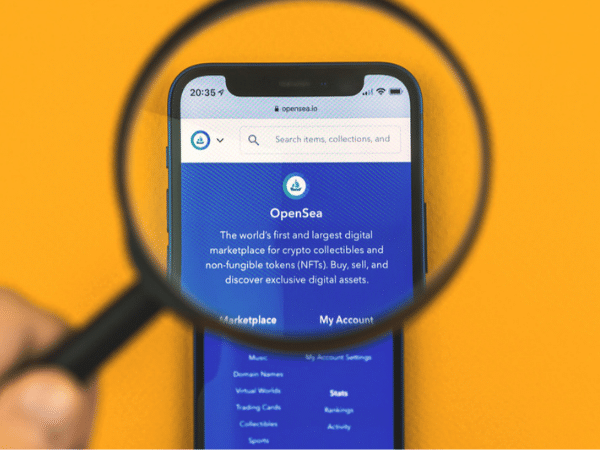
Buying NFT tokens is one of the simplest entry points for beginners. You can purchase NFTs directly from online marketplaces such as OpenSea or Binance NFT, but the way these platforms handle assets differs:
- Binance NFT stores tokens directly on the platform.
- OpenSea allows owners to keep NFTs in their personal digital wallets until a transaction occurs.
Most platforms are built on specific blockchains and require payments in their native cryptocurrency (e.g., ETH for Ethereum, BNB for Binance Smart Chain). This means you’ll need to:
- Set up a crypto wallet (MetaMask, Trust Wallet, or Coinbase Wallet).
- Buy cryptocurrency (often ETH or BNB) from an exchange.
- Connect your wallet to the marketplace.
- Place a bid or purchase NFTs directly.
Because cryptocurrencies themselves fluctuate in value, you can also trade the native tokens of these blockchains. For instance, you can start with as little as $10 in BNB, making it more affordable compared to high-priced NFTs. Keep in mind, though, that volatility creates both profit opportunities and risks.
Invest in NFT Fractions (Moderate)
Another way to get into NFT investing without spending millions is through fractional NFTs. This method allows multiple people to share ownership of a single asset.
- How it works: Investors pool funds through decentralized autonomous organizations (DAOs) to buy a high-value NFT, such as a Bored Ape.
- Fractional ownership: Each investor receives a portion of the NFT, which can later be resold or auctioned off.
- Benefits: Lower entry cost and more liquidity for the original NFT holder.
- Challenges: Selling fractions may require finding bidders, which can be more difficult than trading tokens.
Fractional investing is still evolving, but it’s an option for those who want exposure to premium NFTs without shouldering the full cost.
Related Article: Types of NFTs: What They Are and How They Work
Buy and Sell NFTs (Hard)
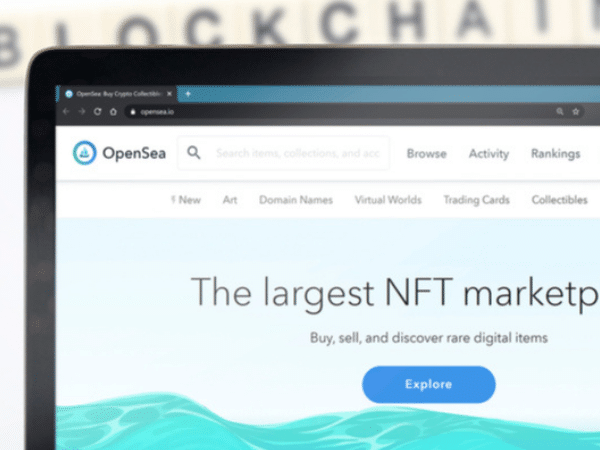
The most common but also the most challenging strategy is buying NFTs to resell them at a higher price. Unlike token trading, this approach depends heavily on hype and demand.
- Market comparison: Just as the Mona Lisa’s fame skyrocketed after its theft from the Louvre, NFT values often rely on stories, celebrity backing, or rarity to build cultural significance.
- Volatility: NFT prices are highly unpredictable. A token might surge in value due to attention from influencers or communities, but it can just as quickly drop.
- Risk: Unless you’re comfortable with sharp price swings, long-term NFT flipping may not be ideal.
Success in this strategy requires identifying NFTs with strong communities, unique art, or notable creators before demand spikes.
Other tips on how to invest in NFTs
- Do your research: Start by learning all you can about the NFT you want. See who created it and what platform that artist used. Also, check the platform where you’ll buy it, or you might face unexpected costs for your token.
- Use a secure wallet: Once you’ve decided, get the best crypto wallet you can afford. You’ll drop a lot of money on your NFTs, so they deserve the utmost protection.
- Manage expectations: Remember that many NFTs depend on hype to retain value. Unless you truly like the piece you bought, it would be best to sell it as soon as possible.
- Explore utility NFTs: Look into the other types of NFTs. I focused on digital artworks because most people think about when the topic comes to mind. Yet, there are functional NFTs, such as the pets from Axie Infinity. They let you play the game and earn AXS and SLP tokens you can sell for fiat money.
Read More: Crypto Regulation: Why Is Crypto Not Regulated?
Risks of NFT Investments
Like any financial asset, investing in NFTs come with risks that investors must understand before committing money. While they offer unique opportunities, the following factors can significantly affect your returns and long-term value.
Volatility in NFT Prices
NFT prices are highly speculative and can change dramatically within hours. A token that sold for thousands of dollars one day could lose much of its value the next if demand cools off. This volatility often comes from hype, celebrity endorsements, or social media trends rather than intrinsic value. New investors should only put in funds they can afford to lose.
Fraud and Scams in NFT Investment
The NFT space is still relatively new, which makes it vulnerable to fraud. Common risks include:
- Fake collections: Scammers mint replicas of popular NFT projects to trick buyers.
- Phishing attacks: Hackers target investors with fake wallet links or emails.
- Rug pulls: Some projects disappear after raising money, leaving holders with worthless tokens.
Due diligence is critical; always verify creators, double-check URLs, and use secure platforms.
Liquidity Risk
Unlike stocks or major cryptocurrencies, NFTs are not always easy to sell. If demand dries up, you might hold an asset for months without finding a buyer. Even high-profile NFTs can become illiquid once hype fades. For this reason, liquidity should be a key factor when choosing which projects to invest in.
Regulatory Uncertainty
Governments worldwide are still figuring out how to regulate NFTs. Issues include:
- Taxation: Profits from NFT trading may be subject to capital gains tax.
- Securities oversight: Regulators like the SEC in the U.S. are considering whether certain NFTs qualify as securities.
- Changing rules: Future policies could impact how NFTs are bought, sold, or valued.
Staying updated with legal changes is important for long-term investors.
Environmental Concerns
Many NFTs run on blockchains that rely on energy-intensive proof-of-work systems. This has raised concerns about carbon emissions and sustainability.
While Ethereum’s move to proof-of-stake has reduced its energy usage, some NFT platforms still depend on older models. Investors who care about sustainability should consider blockchains with eco-friendly protocols, such as Solana or Tezos.
Benefits of NFT Investments
While NFTs carry risks, they also provide unique opportunities that traditional investments don’t offer. For many investors, the appeal lies in both financial potential and digital ownership advantages.
Ownership and Authenticity
Each NFT is recorded on a blockchain, making its ownership transparent and verifiable. This ensures authenticity and reduces the risk of counterfeit digital assets. Collectors value this traceable proof of ownership, especially for rare or limited-edition items.
Access to Exclusive Digital Assets
NFTs often represent one-of-a-kind assets such as artwork, music, video clips, or even in-game characters. This exclusivity creates a sense of rarity that can increase demand and value. Owning an NFT can also grant special access to online communities, events, or memberships.
Creator Royalties and Passive Income
One of the standout features of NFTs is smart contracts. These allow creators to earn royalties every time their NFT is resold. For investors who mint or hold NFTs, this model can also open opportunities to share in revenue streams from collaborations or projects.
Portfolio Diversification
NFTs are a new asset class that behaves differently from stocks, bonds, or even traditional cryptocurrencies. Adding NFTs to a portfolio can diversify risk and expose investors to emerging markets such as digital art, virtual real estate, and play-to-earn gaming.
High Growth Potential
Although volatile, NFTs have demonstrated the ability to deliver substantial returns in a short period. High-profile collections, such as Bored Ape Yacht Club or CryptoPunks, skyrocketed in value as their communities and cultural relevance grew. Early investors in successful projects can see exponential gains.
Utility and Functionality
Many NFTs go beyond digital art and provide practical utility. Examples include:
- Gaming NFTs: Characters, weapons, or pets that earn tokens in play-to-earn ecosystems.
- Membership NFTs: Access to private clubs, premium events, or gated content.
- Virtual real estate: Parcels of land in metaverse platforms that can be rented, developed, or resold.
This functional side of NFTs adds another layer of value for investors looking for more than speculation.