
Cryptocurrency regulation is now one of the most debated topics in global finance. As digital assets gain adoption, governments are racing to create crypto laws that protect investors, reduce financial crime, and provide clarity for businesses.
In the United States, lawmakers are drafting rules for stablecoins, exchanges, and digital asset compliance. At the same time, other countries are setting their own frameworks, from Europe’s MiCA regulation to Asia’s stricter licensing requirements.
This article explains why regulating cryptocurrency is a global challenge, how the U.S. is building its approach, and what steps other nations are taking. It also highlights what current U.S. crypto regulations mean for investors and businesses navigating this fast-changing space.
Why Is Cryptocurrency Not Regulated?

Cryptocurrency is not fully regulated because it does not fit neatly into traditional financial categories. Unlike stocks or bonds, which are clearly defined as securities, many digital assets operate in a gray area. Some may function like currencies, others like commodities, and some like securities, making it difficult for regulators to classify them under one set of rules.
Another challenge is the global and decentralized nature of crypto. Transactions can occur across borders without central intermediaries, which makes enforcement of national laws complicated. Regulators also face the risk of overregulation: if rules are too strict, businesses and investors may simply move activity to countries with lighter oversight.
Technology also moves faster than legislation. By the time lawmakers debate one aspect of blockchain or digital assets, new products like stablecoins, DeFi platforms, or tokenized securities emerge. This constant innovation makes regulation a moving target.
Finally, governments are still balancing three competing goals: protecting investors, preventing financial crimes, and supporting innovation. Striking this balance is why crypto remains only partially regulated in most countries today.
You May Also Like: Cryptocurrency Basics: Gateway to Financial Freedom
Virtual Currency Is Rapidly Evolving
Virtual currency is changing because adoption, technology, and regulation are all evolving at once.
Adoption Is Growing
More businesses accept digital assets for payments, while governments explore central bank digital currencies (CBDCs). This pushes virtual currencies closer to mainstream finance.
Technology Is Advancing
Innovations like decentralized finance (DeFi), tokenized securities, and faster blockchain networks expand what virtual currencies can do beyond simple transactions.
Regulation Is Catching Up
Countries are drafting crypto laws to address risks like money laundering, fraud, and market manipulation. These rules are reshaping how virtual currencies operate in global markets.
Investor Demand Is Shifting
People are looking at crypto not only as speculation but also as a store of value, a hedge, or a tool for financial inclusion.
In short, virtual currency is moving from an experimental asset into a regulated, more integrated part of the financial system.
Read More: How Do Cryptocurrencies Gain Value?
Which Countries Have Regulated Cryptocurrency?
While the US struggles with crypto regulation, other countries just took the simplest approach of banning it. That’s what China did by cracking down on cryptos. Many countries realize that avoiding cryptocurrencies means missing out on their benefits.
Nations like Australia go so far as to recognize this digital asset to secure their future. You can find so many other countries that have accepted cryptocurrency. Yet, they have different ways of implementing crypto regulation.
Crpyto Regulations All Over the World
- Canada does not recognize cryptocurrency as legal tender. It requires crypto exchanges to register with the Financial Transactions and Reports Analysis Centre of Canada or FinTRAC.
- Singapore also doesn’t recognize crypto as legal tender. Like Canada, crypto exchanges must register with the Monetary Authority of Singapore.
- Australia treats cryptocurrency tokens as legal property. Still, the crypto exchanges must sign up with the Australian Transaction Reports and Analysis Centre or AUSTRAC.
- Japan has the most progressive regulations on crypto as it recognizes bitcoin and other crypto-assets as legal property. It counts as “miscellaneous income,” so cryptocurrency investors must pay the corresponding tax.
Read More: How to Invest in NFTs – Step-by-Step Guide
How to Follow Current US Crypto Laws
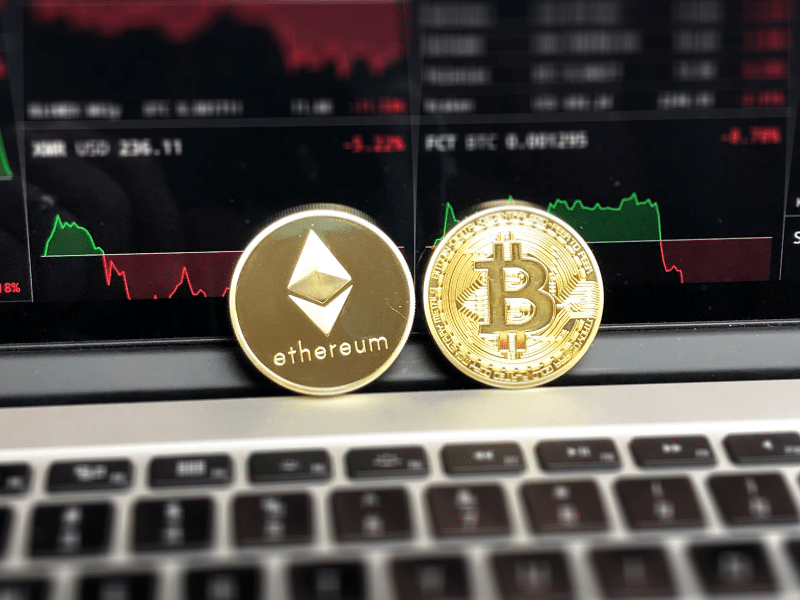
We can say the same for the investors in the United States. The Internal Revenue Service taxes the asset in two ways: a source of income and a capital asset.
It counts as a source of income if you perform the following actions:
- Sell cryptos for cash.
- Buy stuff using cryptocurrency.
- Trade them for other cryptocurrencies.
- Engage in crypto mining.
- Receive cryptos as payment or from an airdrop. The latter refers to the cryptos that investors receive after a crypto promo distributes it.
- Earn crypto rewards from staking and other interest-earning measures.
You will also have to pay crypto taxes as capital gains. If you’ve held your coins for less than a year, it’s short-term capital gains. Hold it for longer, and you pay long-term capital gains.
You don’t have to pay taxes for other actions. Check out this article about cryptocurrency taxes for more information.
Should Cryptocurrencies Be Regulated?
Some investors are up in arms about putting more rules on cryptos. They see it as a threat to the innovation and better future that it is building. Yet, crypto regulation is important if it wants further progress. Supporters must be honest about the problems that cryptos still have. For example, many people find it too volatile as a proper medium of exchange.
Some people use it to scam people into investing in useless tokens. Others use it for more nefarious means, such as money laundering. In light of the ongoing Ukraine-Russia conflict, people wondered if crypto regulation is helping President Putin bypass economic sanctions. That’s no surprise since there have been a lot of reports about people using it for illegal transactions. The crypto market needs to have regulations in place to use them easily. Crypto regulations could stabilize the prices and make it easier to stop criminals from using.