Choosing between a studio and a 1-bedroom apartment isn’t just about square footage, it’s a decision that shapes your daily routine, comfort level, and long-term financial stability. For first-time renters or anyone entering a new life phase, the right choice depends on how you balance space, privacy, lifestyle needs, and your budget.
Since the onset of the pandemic, rental prices have surged 29.4%, averaging an annual increase of 7% over the last four years, according to Zillow.
In this guide, we’ll explain the real differences between studios and one-bedroom units, who each is best suited for, and how to evaluate both options from a practical and financial perspective.
Studio vs. 1-Bed Unit: What Is the Difference?
| Feature | Studio Apartment | 1-Bedroom Apartment |
|---|---|---|
| Layout | Open floor plan with combined living, sleeping, and kitchen area | Separate rooms for bedroom, living room, kitchen, and bathroom |
| Privacy | Minimal—everything is in one space | High—dedicated bedroom and separate living areas |
| Cost | More affordable rent and lower utility bills | Higher rent and additional utility costs |
| Lifestyle Fit | Ideal for students, singles, minimalists, or short-term renters | Great for couples, remote workers, or long-term living |
| Storage | Limited space—requires multi-functional furniture | More room for furniture and personal storage |
| Guest-Friendly | Less suitable for hosting guests | Easier to host with defined spaces |
| Work-from-Home Setup | Difficult to separate work and rest zones | Offers dedicated space for a home office |
| Furnishing Cost | Lower—less space to furnish | Higher—more rooms to decorate and furnish |
You May Also Like: Primary Lease: Key Responsibilities and Tips for Primary Tenants
What Is a Studio Apartment?
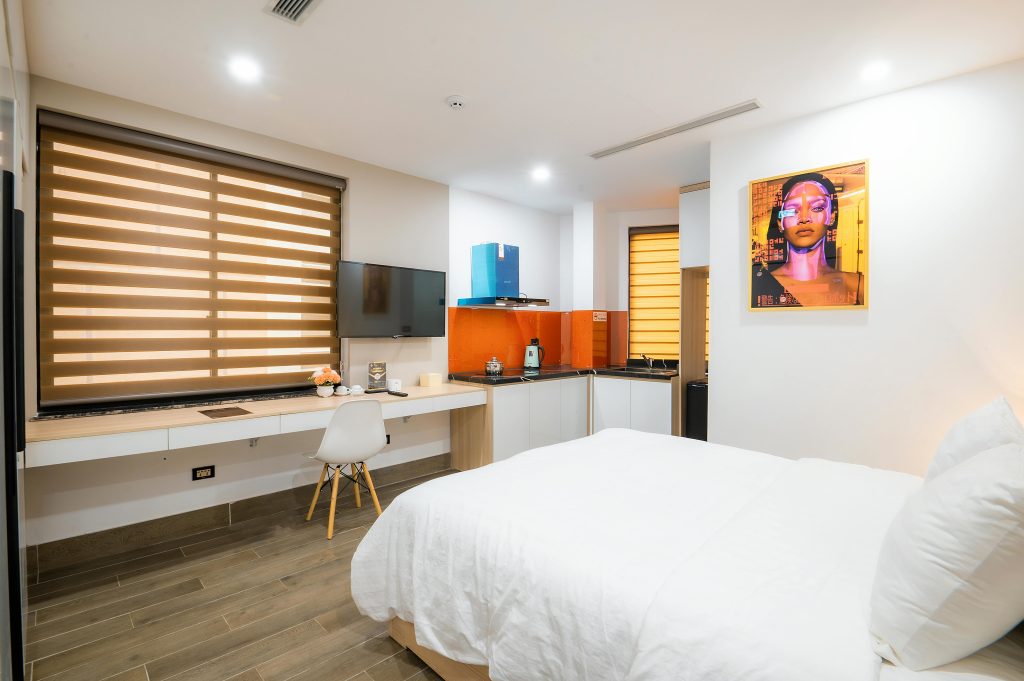
A studio apartment is a self-contained unit that combines your living room, bedroom, and kitchen into one open space, with a separate bathroom. Sizes usually range from 300 to 600 square feet. Studios are designed for simplicity and efficiency, often featuring compact kitchens, foldable furniture, and smart storage.
Studios are ideal for city living where space is limited but location matters. They’re often found in urban cores where renters prioritize accessibility to work, transit, and entertainment over square footage.
Read More: Duplex Living: What It Is, Who It’s For, Pros & Cons
What Is a 1-Bedroom Apartment?
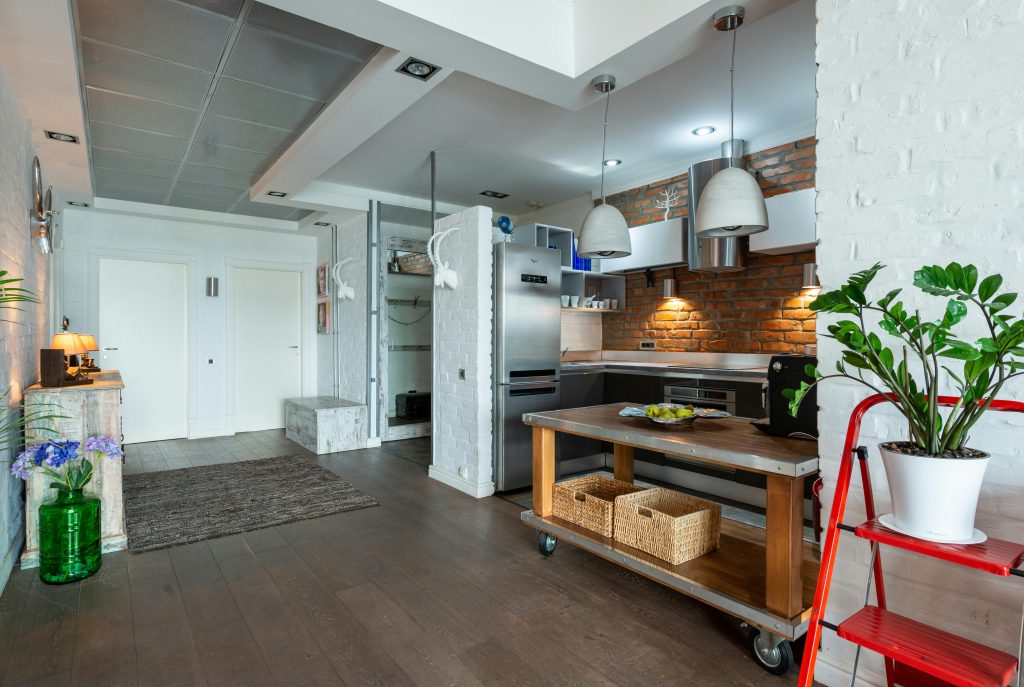
A 1-bedroom apartment features a separate bedroom, plus a dedicated living area, kitchen, and bathroom. They typically offer between 600 and 900 square feet, depending on layout and location.
This setup provides more privacy, allows for clear zoning of daily activities (e.g., sleeping vs. working), and feels more like a long-term home—especially for couples, remote workers, or renters planning to stay in one place for a while.
You May Also Like: Lease Fee vs. Leasehold: What’s the Difference?
Studio vs. 1-Bed Unit: Which Should Choose?
Choosing between a studio and a 1-bedroom apartment depends on your lifestyle, budget, and space needs. Some people prefer simplicity and lower costs, while others need more room and privacy. Let’s explore who each option is best suited for.
Budget-Conscious Renters
Studio apartments are generally more affordable. In major cities, the rent difference can be $200–$500 per month. Lower utility costs and smaller spaces also mean less money spent on heating, cooling, and furnishing. If you’re saving for your future or watching every dollar, a studio might be the right call.
People Who Value Privacy
1-bedroom units offer separate spaces, making it easier to host guests, work from home, or live with a partner. The bedroom provides a retreat, which can help with sleep, productivity, and mental clarity—especially in long-term rental scenarios.
Lifestyle and Daily Habits
Studios suit individuals who spend less time at home—commuters, students, or travelers. If you’re home often, enjoy cooking, or need a defined work zone, a 1-bedroom layout may better support your daily routine. Consider your hobbies, storage needs, and work-life balance.
Read More: Loft Apartment: Pros, Cons & Who It’s Best For
Pros and Cons: Studio vs. 1-Bed Unit
| Category | Studio Apartment | 1-Bedroom Apartment |
|---|---|---|
| Affordability | Lower rent, utility bills, and furnishing costs. Great for saving or paying off debt. | Higher cost but potentially worth it for space and comfort. |
| Maintenance | Easier to clean and manage due to smaller size. | More space requires more time and effort to maintain. |
| Lifestyle Fit | Encourages minimalism and suits solo renters or digital nomads. | Better for couples, guests, or remote workers needing defined zones. |
| Guest-Friendly | Less suitable for hosting due to open layout. | More accommodating for guests or shared living situations. |
| Long-Term Comfort | Can feel cramped for long-term living. | Provides better comfort and privacy for long-term stays. |
| Space Limitations | Very limited space; requires downsizing and smart organization. | More space to spread out—but comes with higher furnishing and utility needs. |
| Privacy | No separation between living, sleeping, and working zones. | Offers privacy with dedicated rooms for different purposes. |
| Subleasing | May be harder to sublease or rent out, especially in slower markets. | Easier to sublease due to higher demand and livability. |
| Financial Risk | Budget-friendly but not ideal if you outgrow the space quickly. | Higher costs can stretch finances; may require side income or strict budgeting. |
You May Also Like: House Chores: How to Save Money on Cleaning Your House
Studio vs. 1-Bedroom Unit: The Financial Side
Renting a studio or 1-bedroom apartment isn’t just about layout—it also affects your monthly expenses and financial planning. From upfront costs to long-term affordability, understanding the financial differences between the two can help you make a smarter housing decision.
Here’s how each option stacks up when it comes to budgeting and real-life expenses.
Before Moving In
Upfront costs include first and last month’s rent, security deposit, and possible application or credit check fees. In cities like Los Angeles or New York, this can total several thousand dollars. A budget for moving out helps prevent financial surprises, especially if you’re paying for movers or new furniture.
While Living There
Your ongoing costs will vary. A studio’s smaller size typically means lower utility bills, fewer appliances, and less furniture. However, 1-bedroom renters gain comfort and privacy, which some consider worth the added expense. Use money managagement apps to monitor categories like electricity, rent, food, and streaming services.
You can also apply types of budgeting methods like the 50/30/20 rule or envelope system to stop overspending.
After Moving Out
Before leaving, do a deep clean and complete a condition report for the property with your landlord. This helps protect your security deposit. If you’re planning to buy a home after renting, use this time to assess your financial health, review your assets and liabilities, and start learning about the loan application process to afford a mortgage.
Studio vs. 1-Bed Unit: How to Finance Your Rental Decision
Here are a few smart ways to prepare financially before signing a lease.
Set a Realistic Housing Budget
Calculate your monthly income and subtract essentials like transportation, food, and savings. Experts recommend spending no more than 30% of your income on housing.
Explore Financial Tools
To cover deposits or moving costs, some renters consider options like a secured loan, HELOC, or cash-out refinance from another property. Be cautious with borrowing, review interest rates and repayment terms.
Keep Long-Term Goals in Sight
Whether you plan to buy in the next year or five, keep your credit score, and budgeting habits in focus. Use a mortgage broker or credit union to explore pre-approval for a future home buyer loan, or even consider vacation properties and long-term investments as your next steps.
You May Also Like: Property Development Guide: Types, Profit Tips & Key Steps