Young Americans between 18 and 29 face more credit score swings than other age groups. Recent FICO data shows they saw an average three-point drop in 2025, with many experiencing swings of 50 points or more.
Student loans drive much of these score drops. They affect 34% of Gen Z versus just 17% overall.
If you’re starting out or rebuilding after a setback, credit builder cards can help.
What Are Credit Builder Cards?
Credit builder cards report your payments to the major credit bureaus, which helps you build or rebuild your credit.
How Do Credit Builder Cards Work?
- Every purchase means you’re borrowing money. You’ll get a monthly statement showing what you owe.
- You must pay at least the minimum payment each month. The statement tells you how much that is.
- When you pay your credit card bill on time, the issuer reports it to credit bureaus. These timely payments help you establish credit or boost your credit score.
- If you don’t pay the full balance, you’ll pay interest. These cards typically have higher interest rates than regular cards.
- Most credit builder cards need a refundable security deposit upfront. This cash deposit becomes your credit limit.
- The deposit protects the credit card issuer while you work on building credit history.
- Your credit limit is usually lower than what you’d get with traditional popular credit cards.
Who Are Credit Builder Cards For?
A credit builder card might work for you if:
- You have a low credit score or need to rebuild credit.
- You’ve never borrowed money or opened credit accounts before.
- You have limited income and can’t qualify for traditional credit cards.
What Can You Buy With a Credit Builder Card?
You can use a credit builder card like any other card for groceries, gas, online shopping, or monthly payments for subscriptions and bills.
Your credit limit also matches your deposit amount. Keep your spending low to maintain a good credit utilization ratio and improve your score.
Read More: Charge Card vs Credit Card
How Could a Credit Builder Card Improve Your Credit Score?
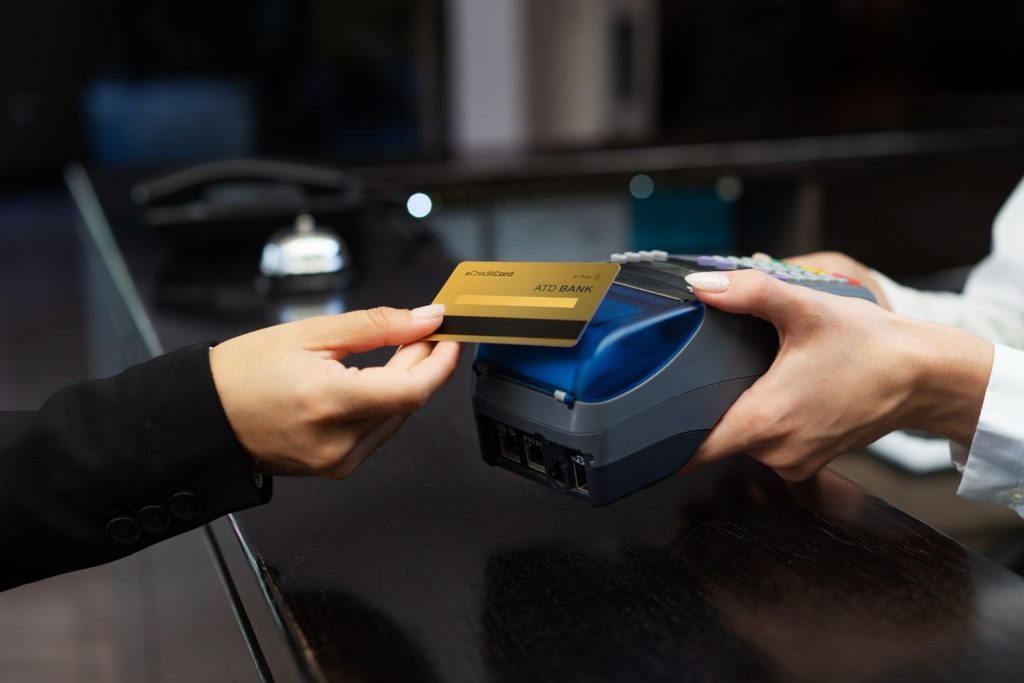
When you use a credit builder card, the issuer reports your activity to the credit reporting agencies each month. Your on-time payments and account balance get recorded, creating a track record that shows you can handle credit responsibly.
Keeping your credit card balances low also helps. Lenders want to see that you’re using only a small portion of your available credit limit.
Why Credit Builder Cards Are Ideal for Beginners
If you are new to credit, credit builder cards are an easy way to get started.
Quick and Easy Application Process
The application takes just a few minutes to complete online, with basic personal and financial information required. You’ll get a decision quickly, usually within minutes, so you can start building credit without long waits.
Accessible Approval Requirements for New Credit Users
Credit builder cards accept applicants with no credit history or low scores that would disqualify them from traditional credit cards. The security deposit replaces strict income or credit check requirements, making credit approval more attainable for beginners.
Report Consistently to All Three Credit Bureaus
Your payment history gets reported to Equifax, Experian, and TransUnion each month. This consistent credit reporting to the three major credit bureaus builds your file across all agencies that lenders check.
Offer Credit Limit Increase Opportunities
After several months of on-time payments, many issuers will review your account for a credit limit increase. Some let you add to your original security deposit to raise your credit line even faster.
Allow Customizable Due Dates
Some providers let you choose a payment date that aligns with your payday or when other bills are due. This flexibility helps you avoid late payments and keeps your credit card bill manageable.
Maintain an Affordable Fee Structure
Many credit builder cards charge no annual fee or keep it low, usually under $50 per year. You avoid high costs like balance transfer fees and cash advance fees when you use the card responsibly.
Provide Comprehensive Fraud Protection
Features like the EMV chip technology and Visa Secure Remote Commerce protect your transactions both in stores and during online banking purchases.
These security features guard against unauthorized purchases and add multiple layers of protection to your account activity.
Support Major Financial Goals
Responsible financial behavior with a credit builder card creates the foundation you need for bigger loans later. A solid credit score makes it easier to qualify for a car loan, mortgage, or other financing.
Offer a Path to Traditional Credit Cards
After demonstrating reliable payment habits, many issuers will upgrade you to an unsecured credit card with better benefits. This graduation gives you access to rewards programs, higher limits, and eliminates the need for a deposit.
You May Also Like: What Is a Credit Union
What to Look for When Choosing a Credit Builder Card
When choosing a credit builder card, focus on the following features:
Credit Score Requirements
Choose issuers that use bank account data instead of a strict credit check.
Usage Plans
Decide if you will use the credit card for daily spending or small, recurring bills.
Fees
Review the annual fee and penalty fees that apply to keep costs low.
Interest Rates
Compare APRs to minimize expenses if you carry credit card balances.
Rewards
Look for cash back rewards that offer a return on your combined purchases.
Credit Limit
Pick a credit line that supports a low credit utilization ratio.
Common Mistakes to Avoid With Credit Builder Cards
To get the most from a credit builder card, avoid these mistakes.
Forgetting to Pay On Time
Missed payments hurt your credit score the most. Set up autopay or reminders.
Choosing the Wrong Card
Some secured credit cards don’t report to all three major credit bureaus. Compare options first.
Ignoring Fees
Transaction and penalty fees and interest rates add up quickly. Read the terms before applying.
Paying Only the Minimum
You’ll pay interest on your own money. Pay the full credit card bill when you can.
Losing Track of Your Card
This can lead to unauthorized purchases. Keep it secure and monitor your account.
Impulse Purchases
Rod Griffin, Senior Director of Experian’s Consumer Education and Advocacy, said, “My needs list is very, very, very short. My wants list is very, very long. But you know, you learn to distinguish those things.”
This is why spending beyond what you can pay off raises your credit utilization ratio and can lead to debt. So, stick to planned purchases only.
Taking Cash Advances
A cash advance comes with immediate fees and high interest. Avoid it unless absolutely necessary.
“When you get a cash advance, you’re going to pay compound interest, and it starts right away. There’s also a transaction fee anywhere from 3 to 5%,” says Beverly Harzog, consumer credit expert and best-selling author of personal finance books.
Read More: Personal Loans vs. Credit Cards
How Do Credit Builder Cards Compare to Other Credit Cards?
| Card Type | Primary Purpose | Features |
|---|---|---|
| Credit Builder | Building credit | Smaller credit limit with higher interest rates, but reports your payments to credit bureaus |
| Purchase | Spreading out costs | Usually offers 0% interest for a period on big purchases |
| Rewards | Earning perks | Gives you cash back or travel points when you spend |
| Balance Transfer | Managing debt | Lets you move debt from other cards, though you’ll pay a balance transfer fee |
| Travel | Using cards abroad | Cuts down on foreign transaction fees when you’re traveling |
| Money Transfer | Getting cash fast | Puts borrowed money directly into your bank account |