As of January 2026, the median sales price of new residential homes in the U.S. stands at $400,500, according to the Census. This figure puts homeownership out of range for many Americans.
So, the practical alternative is to learn how to find cheap homes and make the most of what the market offers.
1. Set Your Budget First
You need to assess your down payment, income, and potential loan types before you begin looking for a cheap home. From there, establish a price range you can realistically adhere to.
A low debt-to-income ratio and good credit score can increase your chances of getting a low mortgage rate.
2. Search Online and Locally
One way to check for houses for sale is through online platforms.
Use filters to limit your price range, square footage, and location, so you only see listings that fit within your budget.
Use Online MLS Platforms
MLS websites allow direct access to real estate data and enable you to search for cheap homes ahead of other buyers.
Tap Into Local Resources
Tell friends, family, and coworkers you are in the homebuying process. They might know someone who’s thinking of selling before the property gets listed.
You can pursue these pre-market deals because some sellers may skip the listing process and accept a lower price to avoid the agent’s cut and multiple showings. You can sometimes seal a deal without agents involved.
3. Target Listings Over 30 Days
Aside from price filtering, flag properties that have been on the market for a long time. You can have more negotiating power with a motivated seller if the home has been on the market for longer.
4. Explore Foreclosures and Auctions
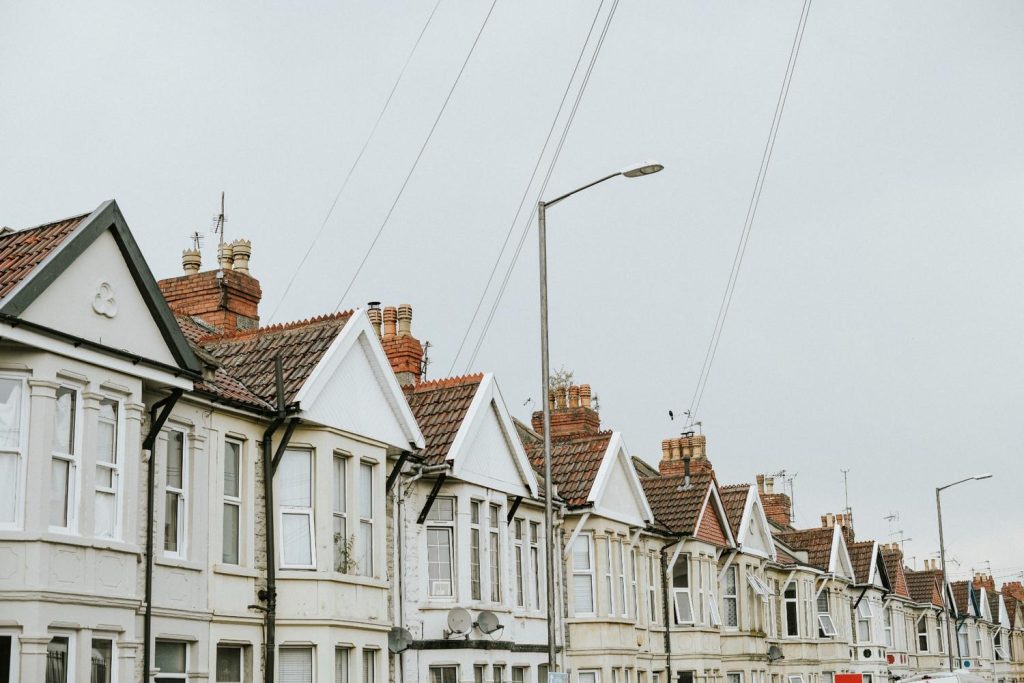
A lender reclaims its collateral and lists a property as a foreclosure when the homeowner defaults on their loan. These listings are made public by city, county, or state agencies, and the homes are auctioned at far below-market value.
Seek out a real estate agent who specializes in foreclosures to help you through the purchase process.
Read More: How to Buy a Foreclosed Home
5. Consider Mid-Range Fixer-Uppers
Fixer-uppers and sold-as-is properties tend to cost less than move-in-ready homes.
Sellers list them at bargain prices because the homes require repairs or updates, and buyers who are prepared to do the work can score a good deal.
Renovations require time and money, but they also give you the opportunity to customize space and build equity in the process.
Look for As-Is Properties
An as-is listing means that the seller will not make repairs, issue credits, or resolve any issues prior to closing. The price is a reflection of the home’s current state.
Avoid Turnkey and Gut-Rehabs
Turnkey homes are move-in ready and priced as such, so there’s little to negotiate. Gut rehabs mean ripping the home down to its studs, which can eat your budget quickly.
The sweet spot is a house that just needs cosmetic upgrades: popcorn ceilings, old carpet, or new paint.
6. Look for Less Desirable Features
Purchasing the least desirable house can land you in a location that would otherwise be above your price point.
The traditional strategy is to buy the worst house on the best block. Just ensure that you’re happy with the location.
Unappealing Aesthetics or Layouts
Less-than-appealing floor plans, out-of-date interiors, or lackluster curb appeal will keep homes on the market longer and bring in fewer competing buyers. Sellers of these homes tend to be more flexible on price.
Non-Traditional Home Types
Condos, townhouses, and multi-family units tend to be less expensive than a single-family home in the same area.
Smaller footprints translate to smaller mortgage bills, lower property taxes, and less maintenance costs. For buyers who don’t need much space, these properties can be an attainable entry point into the housing market.
7. Check Contingent and FSBO Listings
With less competition, contingent homes and sale-by-owner properties may offer better deals.
Contingent Homes
In real estate, a contingent listing indicates that the seller has accepted an offer, but the sale is contingent upon certain conditions being met, such as a buyer obtaining financing or a home inspection.
If the deal doesn’t work out, the home goes back on the market. Many buyers scroll past contingent listings, unaware that they can still make an offer.
For Sale By Owner (FSBO) Properties
Sellers who are listing their own homes avoid paying the commission involved with a listing agent, making them less expensive.
8. Expand Your Search Area
Trendy cities or popular neighborhoods have home prices that exceed most budgets. Surrounding towns, suburban places, and rural sections can provide you with more amenities for the same amount.
Emerging neighborhoods are another option. These neighborhoods have not fully caught up in price, so buyers can get in at a lower cost while the area grows.
Just make sure commute times, daily conveniences, and nearby jobs make the location practical for your lifestyle.
9. Explore Government Loan Programs
Not every buyer needs a 20% down payment or a spotless credit score. FHA loans require as little as 3.5% down and accept borrowers that conventional lenders would pass on.
State and local government agencies also have grants, down payment assistance, and reduced interest rates for first-time buyers.
Read More: What to Know When Applying for First Time Home Buyer Loans
10. Work With a Real Estate Agent
Local real estate agents know which parts of the market still offer good value and which listings are about to go public.
They also have connections to for sale by owner sellers and inherited properties that rarely surface in standard searches.
11. A Strong Offer Wins
Financing terms, contingencies, and closing timelines all factor in a strong offer. Cash offers remove financing uncertainty and close faster, which many sellers prefer over a higher bid tied to a mortgage.
Being flexible on the closing date or cutting unnecessary contingencies can push your offer ahead of buyers bidding more money with more conditions attached.
12. Stay Patient and Flexible
A property out of your budget today may drop in price after sitting on the market for a few months.
Check listings regularly, explore different neighborhoods, and keep your criteria flexible enough to spot opportunities.
You May Also Like:
Short Sale vs Foreclosure: Timeline, Pros & Cons, and Key Differences
Assessed Value: Meaning, How to Calculate, Importance & More
Subletting vs Subleasing: Understanding the Key Differences
Are Utilities Included in Rent? Costs, Benefits, and Tenant Rights
Pros and Cons of Airbnb for Landlords and Renters