A recent U.S. News survey of 1,252 American adults found that 46% receive suspected scam communications every single day, and 77% are targeted at least once a week.
In the past three years, 23% of respondents say they actually lost money to a financial scam.
With scammers growing more sophisticated in how they impersonate personal loan lenders, knowing how to spot loan scams is something every borrower needs.
What Are Loan Scams?
Loan scams are schemes that prey on individuals in desperate need of fast cash and who are actively seeking a loan.
Scammers pose as legitimate lenders, persuade you to give them personal information or an upfront payment, and then disappear.
The Dangers of Loan Scams
The damage from loan scams goes well beyond losing money on a single transaction.
Direct Financial Losses
Scammers frequently demand an upfront fee and disappear before processing any loan for you. Some gain access to your checking account and withdraw funds without your authorization.
A damaged credit score can block you from qualifying for housing, auto, or education loans. Missed payments on fraudulent loans follow your credit history and make future borrowing significantly more difficult.
Long-Term Financial Consequences
A tarnished credit report limits your ability to secure future loans for necessary and time-sensitive expenses. The financial setback from one scam can take years of consistent effort to fully overcome.
Emotional and Psychological Toll
Being scammed induces a lasting anxiety. The stress of facing the aftermath can interfere with your sleep, focus, and functioning.
Many victims lose trust in reputable lenders. This erosion of trust often leads people to avoid financial institutions when they need them most.
Legal and Reputational Damage
Scammers can use sensitive personal information to open bogus accounts or commit crimes in your name. It can take years of litigation to fully resolve this type of identity theft.
Unpaid debts from scam activity can also lead to legal trouble, which will damage your professional reputation.
Read More: A Guide on Loan Processor Requirements, Skills, Salary, & More
How To Spot Loan Scams
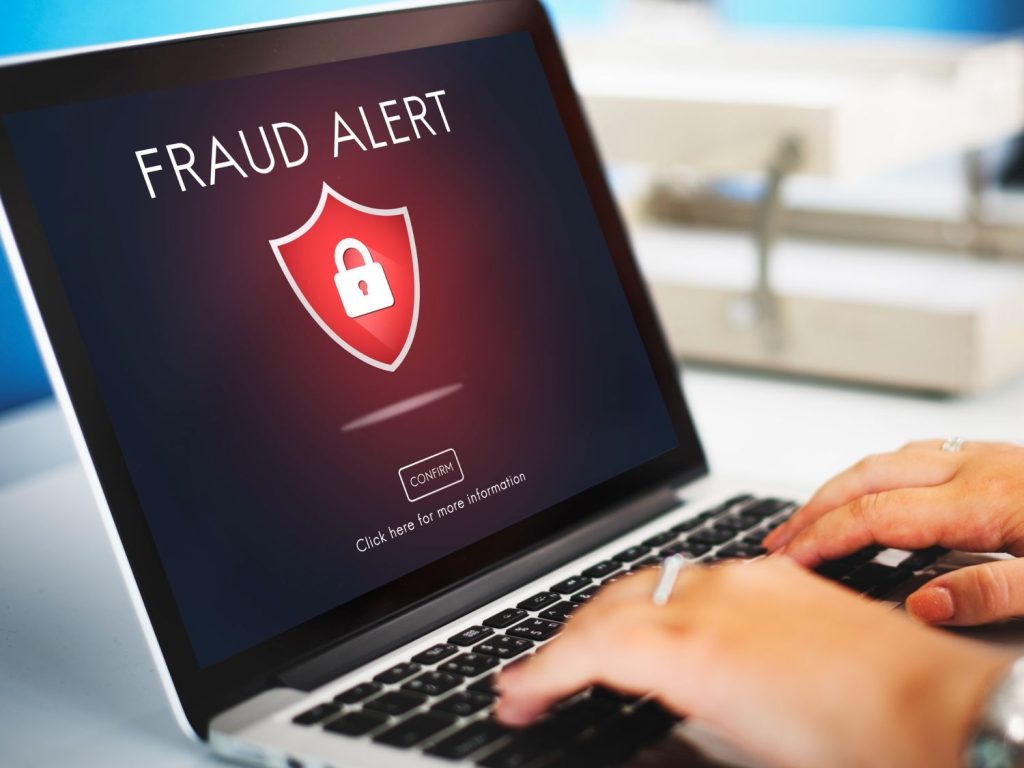
Most loan scams follow the same playbook, and spotting them means knowing these warning signs.
Approval Guaranteed Regardless of Credit
Reputable lenders won’t be able to provide guaranteed approval unless they’re verifying your credit and income.
Scammers capitalize on this promise and lure affected borrowers with bad credit into disclosing personal information.
No Interest in Your Repayment Ability
An honest lender will verify your income, debt, and credit first. If any lender doesn’t perform this step, it doesn’t want to lend you money.
Not Registered in Your State
All lenders and loan brokers must register in the state where they conduct business. You can see a list of states on the lender’s website or contact your state attorney general for verification.
Upfront Payment Required
Reputable lenders never charge an upfront fee before processing or approving any loan for you. Any fees should appear in your loan contract and match exactly what was disclosed at approval.
You Never Applied But Were Contacted
Legitimate lenders do not contact individuals who have never applied for or inquired about a loan. You should avoid unsolicited phone calls or emails offering you a loan.
No Verifiable Address or Contact Info
Any lender that doesn’t have an actual address is a red flag. A legitimate lender must have a branded site, a customer service line, and contact information available.
Unsecure or Suspicious Website
Always check the lender’s site for “https” and a padlock icon before entering any personal information. Scammers build fake lender websites specifically designed to capture your sensitive and personal information without detection.
No Time Given to Review the Offer
Lenders who pressure you to sign are trying to keep you from asking questions.
Terms That Seem Too Good to Be True
Personal loan scams have unusually low interest rates and no conditions. Authentic lenders price loans based on risk, so terms that ignore your financial profile should raise immediate concern.
Last-Minute Requests via Email
A loan company asking you to send money or share your account number through a last-minute email is a serious red flag.
Errors and Typos in Official Documents
Spelling mistakes and inconsistent formatting in loan documents signal that a legitimate company did not produce them.
Vague or Incomplete Loan Terms
Any loan offer that omits repayment schedules, origination fees, or penalty terms is incomplete and should not be signed
Unlicensed Representatives
A loan broker or lender representative who cannot provide verifiable licensing credentials should not be trusted with your information.
No Explanation of Credit Impact
Most loans affect your credit score, and any lender who skips this conversation is withholding important information from you.
Unverifiable or Fake Reviews
False loan services have fabricated testimonials and reviews that cannot be traced or attributed to a source.
You May Also Like: How to Get Lower Interest Rates
Tips for Avoiding Loan Scams

These practices can protect you from being the scammers’ next target.
Question Offers That Seem Too Favorable
Question a loan offer that ensures approval, offers unusually low interest rates, or requires zero credit checks. Compare the offer to rates offered by other reputable lenders, and consider how far outside of the normal range it would be.
Guard Your Personal Information
Never disclose your personal details to a lender before you check their legitimacy.
Read Everything Before Signing
Carefully go through all the loan documents for hidden fees, ambiguous repayment schedules, and undisclosed conditions. If a lender won’t give you time to read the paperwork, leave.
Compare Multiple Lenders
Do your due diligence and compare rates, terms, and fee structures of potential lenders before signing anything.
Be Cautious With Online Lenders
Be sure to confirm that an online lender’s address, licensing, and contact information are valid and publicly available. Visit the lender’s website and verify “https” and a padlock in the browser.
Never Pay Before Loan Approval
If you’re asked to make a payment by prepaid debit card, money transfer, or gift cards before being funded for the loan, end communication and report it to the Federal Trade Commission (FTC).
Trust Your Instincts
If anything along the way seems too fast, confusing, or off to you, stop and check before moving forward.
Try searching online for the lender to see if you can find any other information, including their address and whether they’re licensed in your state.
Read More: Personal Loans for Debt Consolidation: Is It a Smart Move?
How to Verify Lender Credentials
- Use a personal loan marketplace. Websites such as the Better Business Bureau (BBB) and Trustpilot compile pre-vetted lenders, offering a safer place to start.
- Search the lender’s name online. Include words such as “scam” or “fraud” in your quick online search, and take a look at what turns up.
- Confirm state licensing. Check if the lender is state-licensed by contacting your state attorney general’s office or banking regulator.
- Read real borrower reviews. Find out what real clients have to say before you commit.
What to Do If You Think You’ve Been Scammed
- Cut off contact immediately. Do not reply and stop sending money to the scammer.
- Save everything. Screenshot emails, texts, and call logs, and email them to yourself
- Call your bank. Freeze your accounts to prevent additional unauthorized withdrawals.
- Protect your identity. If you shared your Social Security number, report the scam to IdentityTheft.gov right away.
- File a report. Report your evidence to the FTC or to the Consumer Financial Protection Bureau (CFPB).
- Ask about a refund. Your bank may issue a temporary credit as part of the investigation into the fraud.
- Watch your credit. Contact Equifax, Experian, or TransUnion to freeze your credit report.