Household budgets are under pressure in 2025. According to the U.S. Bureau of Labor Statistics, overall consumer prices are still up 2.7% year over year, with food costs rising about 2.9% and auto insurance premiums climbing more than 6%. Even small increases in utilities or subscriptions can make it harder to save. The good news is that many bills can be reduced without major lifestyle changes. By reviewing housing, energy, transportation, and everyday expenses, families can free up hundreds of dollars each month.
This guide breaks down practical steps you can apply today, others that deliver long-term savings to help you cut costs and keep more of your income for priorities that matter.
How to Lower Bills
Let this guide show you how to stretch your budget and achieve financial peace of mind.
Lower Your Housing Costs
Housing is often the largest expense for most households, but reducing it can lead to significant, long-term savings. Here are effective strategies to cut down on your housing costs:
Refinance Your Mortgage
If mortgage rates are lower than your current loan rate, refinancing could reduce your monthly payment by hundreds. Check your credit score and calculate breakeven costs before applying.
Drop Private Mortgage Insurance (PMI)
Once you reach 20% equity, ask your lender to cancel PMI. This move alone can save $100–$300 each month.
Downsize or Get a Roommate
Renters can lower costs by moving into a smaller unit or sharing rent in a co-living arrangement. Downsizing by one bedroom can cut costs by $500 or more.
Turn Your House into an Airbnb
If you own a home with extra space, consider turning it into an income stream. By learning how to turn your house into an Airbnb, you can offset mortgage payments or generate additional income. Even renting out a spare room occasionally could help reduce financial strain.
Negotiate Your Rent
If moving isn’t feasible, negotiate a lower rent with your landlord. Offer a longer lease term or take on minor repairs to make your request more attractive.
For example, securing a $100 monthly discount by committing to a two-year lease could save $1,200 annually.
Reduce Your Utility Bills
Utilities are a regular expense, but with a few small adjustments, you can significantly reduce your monthly costs. Here are practical tips to help you save:
Cut Energy Usage
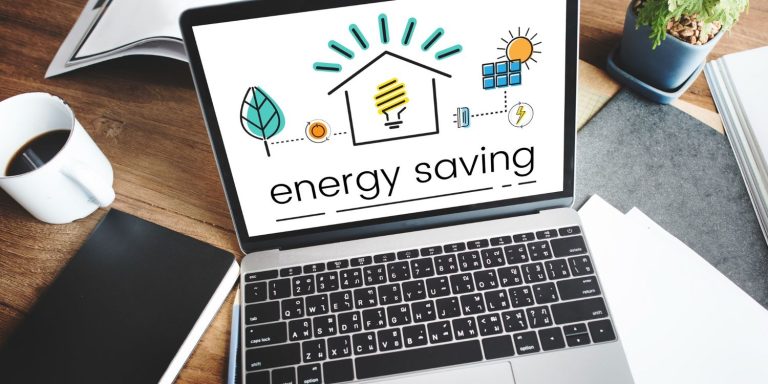
Simple adjustments in energy habits can lead to noticeable savings. Turn off lights when leaving a room, invest in energy-efficient appliances, and adjust your thermostat to reduce heating and cooling expenses.
For instance, lowering your thermostat by just 2 degrees in winter can save 5–10% on heating costs.
Install Water-Saving Devices
Lower bills and reduce water consumption by installing low-flow shower heads and faucets, and only run dishwashers or washing machines when fully loaded.
For example, a family of four could save up to $100 annually by adopting water-efficient fixtures and water-conscious habits.
Install a Smart Thermostat
Smart thermostats automatically adjust heating and cooling for efficiency. On average, they lower utility bills by about 8% annually. It can add up to a savings of $50–$150 per year.
Look for Energy Rebates
Take advantage of rebates from governments and local energy providers for energy-efficient upgrades. Programs often provide incentives for improvements like adding insulation or installing solar panels.
For example, upgrading to an energy-efficient washing machine might qualify for a $200 rebate, offsetting the initial investment and lowering future utility bills.
Seal Leaks and Add Insulation
Weatherstripping doors, caulking windows, and insulating attics or basements can cut heating and cooling costs by 10–15%, keeping indoor temperatures stable without overworking your HVAC system.
Apply for Energy Rebates and Credits
Take advantage of financial incentives for efficiency upgrades:
- Energy Efficient Home Improvement Credit (25C): Covers up to 30% of qualifying upgrades like insulation, windows, and heat pumps.
- State-level Home Energy Rebates (2025): Rolling out nationwide, offering thousands in upfront savings for electrification and energy-efficiency projects.
- Utility rebates: Many local energy providers also offer $100–$200 back on purchases like efficient washing machines or smart thermostats.
Lower Phone, Internet, and Cable Bills
Telecommunications expenses can quietly balloon over time, but with a few strategic moves, you can trim these costs significantly. Here’s how to save:
Switch or Bundle Services
Bundling your internet, cable, and phone services under one provider often leads to discounts and reduced rates. Similarly, switching to a provider with competitive pricing can lower your overall costs. Bundling internet, cable, and phone services could cut $50 off your monthly bill, saving $600 annually.
Cancel Unnecessary Services
Audit your streaming and subscription services to identify any you don’t use regularly. One way to lower bills is to downgrade to a more affordable internet speed if it meets your needs. Canceling three streaming services at $15 each could save $45 monthly, or $540 annually, without impacting your entertainment options significantly.
Sign Up for Automatic Payments
Many phone and internet providers offer discounts for customers who enroll in autopay. This not only saves money but also ensures timely payments, avoiding late fees.
Signing up for autopay could save $5–$10 per month, amounting to $60–$120 in annual savings.
Explore Low-Income Options
Since the Affordable Connectivity Program (ACP) ended in 2024, check alternatives like the Lifeline program or your provider’s low-income plans. These can deliver reliable savings for qualifying households.
Save on Transportation Costs
Cars are essential for many, but their expenses can be a significant drain on your budget. Here are actionable ways to reduce your transportation costs:
Refinance Your Auto Loan
Refinancing your auto loan at a lower interest rate can reduce your monthly payments and overall interest. For example, refinancing a $20,000 loan from a 7% to a 4% interest rate could save $30–$50 per month, adding up to $360–$600 annually. This can free up funds for other priorities, such as house maintenance or savings.
Sell Your Car or Downsize
If you can manage without a car, selling it and relying on public transportation, carpooling, or ride-sharing services can save thousands annually. Alternatively, downsizing to a more affordable used car can reduce costs related to purchase price, insurance, and depreciation.
For instance, selling a second car could eliminate a $300 monthly car payment, along with maintenance and insurance costs, potentially saving over $5,000 per year.
Shop Around for Auto Insurance
Insurance rates vary widely. Comparing quotes annually can save $300–$700 per year, especially as insurers frequently adjust pricing.
Increase Your Insurance Deductible
Raising your car insurance deductible can lower your monthly premiums and free up cash for other needs or wants.
Increasing your deductible from $500 to $1,000 might save $20–$50 per month, or $240–$600 annually, while still maintaining essential coverage for your house or car.
Carpool or Use Public Transit
Sharing rides or relying on buses, trains, or ride-sharing services can slash commuting costs by as much as 50%. Many cities also offer discounted monthly transit passes for regular riders.
Consider EV Incentives
For those planning to buy a car, federal incentives in 2025 provide up to $7,500 for new EVs and $4,000 for used EVs (income and vehicle eligibility apply).
These credits can offset higher upfront costs and reduce long-term fuel and maintenance expenses.
Cut Food Expenses
Food costs can be a major part of your monthly budget, but a little planning can help you save significantly. Here are simple ways to cut down on grocery and dining expenses:
Make a Grocery List
Creating a detailed shopping list before heading to the store helps you stay focused on essentials and avoid impulse buys. Opting for store-brand products over name brands can also result in substantial savings.
Sticking to a list and choosing store-brand items could save $50 per grocery trip, adding up to $200 or more per month.
Plan Your Meals
Planning meals for the week and batch-cooking can minimize the need for last-minute takeout, which is often more expensive. Preparing meals in advance ensures you have affordable, ready-to-eat options throughout the week.
Preparing meals at home could save $100–$200 monthly compared to dining out or ordering takeout multiple times a week.
Buy in Bulk
Purchase nonperishables like rice, beans, pasta, and household goods in larger quantities. Bulk buying lowers the cost per unit and reduces the frequency of shopping trips.
Limit Food Waste
Freeze leftovers, repurpose ingredients in multiple meals, and check expiration dates before buying more. Cutting waste can lower overall food spending by up to 10% each month.
Use Coupons and Loyalty Programs
Leverage store loyalty cards, digital coupons, and savings apps like Honey or RetailMeNot to get discounts on groceries and household items. These programs reward frequent shoppers with exclusive deals and cashback offers. Combining coupons and loyalty rewards could save $20–$30 per grocery trip, totaling up to $100 in savings each month.
Lower Insurance Premiums
Insurance is a necessary expense, but there are effective ways to reduce your premiums while maintaining adequate coverage. Here’s how you can save:
Bundle Policies
Combining multiple insurance policies, such as home, auto, or renters insurance, under the same provider often qualifies you for significant discounts.
Bundling your auto and home insurance policies could reduce your premiums by up to 25%, potentially saving hundreds annually.
Shop Around
Insurance rates can vary widely between providers. Comparing quotes regularly ensures you’re not overpaying and helps you find better deals. Switching providers for auto insurance could save $300 annually while offering the same or even better coverage.
Maintain a Strong Credit Score
Insurers often use credit history when setting rates. Paying bills on time, keeping debt low, and maintaining good credit utilization can qualify you for lower premiums.
Ask About Discounts
Check with your insurer about available discounts. Options may include safe-driver programs, telematics (usage-based insurance), paying in full, or completing defensive driving courses.
Reduce Debt Payments
Debt can be a major financial burden, but strategic management can help you lower monthly payments and save on long-term costs. Here are two effective strategies to reduce debt:
Consolidate or Refinance Debt
Combining multiple high-interest debts, such as credit cards or personal loans, into a single lower-interest loan can simplify payments and save money.
For example, consolidating $10,000 of credit card debt from an 18% interest rate into a 10% personal loan could save $800 annually. Debt consolidation makes it easier to manage payments.
Ask for a Lower Interest Rate
If you have a good payment history, many credit card companies may agree to lower your interest rate. This small change can drastically reduce the cost of carrying a balance over time.
For example, reducing a 20% interest rate to 15% on a $10,000 balance could save $500 annually in interest charges. This extra money can be used to save in a month for emergencies or future investments.
Pay More Than the Minimum
Even an extra $50 per month on credit cards or loans shortens payoff time and reduces total interest paid by thousands over the life of the debt.
Use Balance Transfer Offers Carefully
Some credit cards offer 0% APR promotional periods. If you can pay off the balance within that window (usually 12–18 months), you’ll save significantly. Just watch for transfer fees and higher rates after the promo ends.
Avoid Loan Scams
When considering refinancing or consolidating debt, ensure you understand the loan application process and how to avoid loan scams. Stick to reputable lenders and verify their legitimacy before committing.
Frequently Asked Questions
What bills can I lower immediately?
Start by canceling unused subscriptions, setting up autopay for discounts, and calling your internet or insurance provider to ask for a loyalty rate. These small steps can save $20–$50 within the first month.
How can I use cashback and rewards to lower bills?
Pay recurring bills like internet, phone, or insurance with a cashback credit card (and pay it in full each month). Even 2% cashback on $1,000 in bills = $20 saved monthly.
Can timing my payments actually save money?
Yes. Paying insurance annually instead of monthly can avoid installment fees, and running appliances during off-peak hours on time-of-use plans can cut energy bills by up to 25%.
What little-known hacks save on utilities?
Wash clothes in cold water, air-dry laundry, unplug chargers, and use smart plugs to cut phantom energy. Together, these can lower annual utility costs by $100–$200.
Ready to take control of your budget? Start applying these strategies today and watch your savings grow. For more practical money tips and the latest financial insights, visit Financial Daily Update.
Conclusion
Lowering your bills starts with small, consistent actions like canceling unused subscriptions, meal planning, and negotiating with providers. Over time, bigger moves such as refinancing loans or taking advantage of rebates can save you hundreds each month. These savings free up money for essentials, debt repayment, or building long-term financial security.