Credit cards continue to carry a big chunk of U.S. payments despite the rise of buy now, pay later (BNPL) options. As radio personality and podcaster Adam Carolla puts it, “You don’t realize how much you use your credit card, not even to buy things. It’s a card you get so you can navigate society.”
Three in 10 Americans are also projected to make in-store monthly purchases with credit cards by 2027.
If you’re a first-time cardholder or just curious about how credit cards work, this guide breaks down the basics.
What Is a Credit Card?
A credit card is a borrowing card issued by banks that allows you to spend up to a predetermined limit.
Unlike a debit card, which withdraws money directly from your bank account, a credit card offers a line of credit. When you make purchases, you borrow from the credit card issuer and pay it back.
Most issuers provide you with 20 to 30 days to pay what you owe in full without interest. Miss that window, and you pay interest on what’s left.
The best credit cards also include rewards, fraud protection, and help you build a credit history.
How Credit Cards Work?
How credit cards work comes down to a few core components that determine what you can spend and what you’ll owe.
Credit Limit
The maximum amount you can borrow is the card’s credit limit. The card issuers decide this based on your credit history, income, and their lending standards.
A high credit score and stable income generally lead to a higher limit. If you’re new to credit or rebuilding, you will start with a lower limit.
Interest Rates and APR
You only pay credit card interest if you carry a balance past the grace period. The annual percentage rate (APR) is the interest rate plus any additional charges associated with a card.
APRs vary depending on what type of card you have, your creditworthiness, and whether the rate is fixed or variable.
Billing Cycle and Grace Period
The billing window is usually around 30 days. At the end, you get a statement that shows your transactions, amount owed, and minimum payment due.
The grace period is the time between when your statement ends and when payment is due. Pay your statement balance in full during this time, and you won’t owe any interest on purchases from that cycle.
Minimum Payments
The minimum monthly payment is the least you can pay while keeping your credit account in good standing. It can be a fraction of your balance, plus interest and fees, or a fixed minimum.
Paying just the minimum will save you late fees, but it won’t prevent you from paying credit card interest on what’s left.
You May Also Like: What Is a Credit Union?
Types of Credit Cards
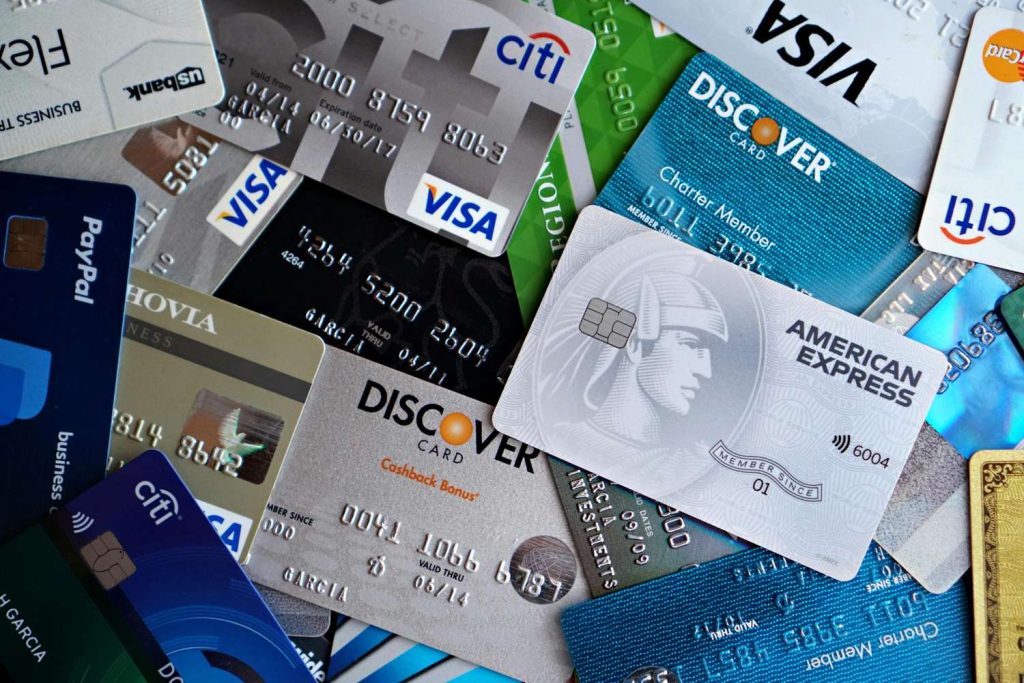
Different credit cards serve different purposes.
Rewards Cards
Rewards credit cards provide you points, miles, or cash back based on your spending. They work most effectively if you pay the balance in full every month. Otherwise, interest costs can cancel out rewards that you collect.
Balance Transfer Cards
Balance transfer cards can help consolidate the credit card debt you currently have. Most of them give you a 0% introductory APR on transferred balances for a certain number of months, which will help you tackle your debt without incurring further interest.
But you need to look out for the balance transfer fee and the regular APR that applies after the promotional period ends.
Student Credit Cards
Student-only personal credit cards have much lower limits and are easier to get approved for. They allow college students to establish a credit history from scratch.
Many of them even offer rewards on common student expenses, like textbooks or dining.
Secured Credit Cards
Secured credit cards ask for a cash security deposit that determines your credit limit. And if you have no credit history or need to rebuild, secured cards are more likely to approve you than unsecured credit cards.
On-time payments will improve your credit report over time, which might make you eligible for unsecured cards in the future. The deposit is returned after you close the account in good standing or upgrade to an unsecured card.
Many secured credit cards are also credit builder cards.
You May Also Like: Charge vs Credit Card: Pros, Cons, and Key Comparisons
The Cost of Using Credit Cards
Credit cards offer convenience and rewards, but they come with costs that can accumulate quickly without proper management.
Fees and Charges
Common credit card fees include several charges you should anticipate:
- Annual Fees: Some cards have an annual fee, including premium credit cards that offer a lot of perks. Compare the fee with rewards and perks to be sure you’re getting value.
- Late Payment Fees: Paying your bill late incurs a fee. This charge is avoided with automatic payments or calendar reminders.
- Foreign Transaction Fees: Most overseas purchases are charged a fee as a percentage of the purchase amount.
Interest Charges
Credit card interest applies when you carry a credit card balance past your grace period. The APR determines how much you owe on the remaining amount.
Missing payments triggers multiple penalties:
- Increased Interest Rates: If you receive a penalty APR after missing a payment, your interest charges climb on existing balances.
- Credit Score Damage: Your credit report is greatly impacted by your payment history. Then your score takes a hit from the delinquency and late payment, making it harder to land loans and favorable rates in the future.
- Late Fees: In addition to the higher interest, you will be charged a late fee on top of your total balance.
Benefits of Using Credit Cards Wisely
Responsible use of credit cards offers financial advantages beyond simple purchasing power.
Building Credit History
If you make credit card payments on time, it will build a good payment history with the big three credit bureaus. This demonstrates reliability to lenders.
When you make steady on-time rental payments, you build a strong credit history, which increases loan approval chances, reduces interest rates, and may even impact rental applications and job screening.
Rewards and Perks
Cards with rewards programs benefit users who pay their balances in full monthly. Common rewards include:
- Cashback: You receive a percentage of your spending back as cash, either as a statement credit or a direct deposit.
- Points: For each dollar you spend, points can be earned towards travel, merchandise, or gift cards.
- Miles: Regardless of the frequency with which you travel, accrued miles always help bring down airfares and sometimes even grant better seats.
Purchase Protection
Credit cards include consumer protections that safeguard your purchases:
- Fraud Protection: Most issuers will keep you from being liable for unauthorized transactions on your credit card.
- Extended Warranties: Several cards will extend the manufacturer’s warranty on a purchase, providing additional months or even years of protection beyond the original terms.
- Purchase Protection: New purchases that are damaged or stolen shortly after purchase may be covered, offering benefits beyond those offered by your debit card.
- Travel Insurance: Many travel cards will grant you trip cancellation protection, rental car coverage, and lost luggage reimbursement.
Read More: Personal Loans Versus Credit Cards?
How to Choose the Right Credit Card
Selecting the right credit card requires evaluating your finances and matching them to card features.
1. Assess Your Financial Situation
Take a look at your source of income, monthly expenses, and spending habits. Determine if you’re going to pay off your credit card bill in full each month or carry a balance. This will tell you what type of cards make sense for you financially.
2. Identify Your Goals
What do you need from a credit card account? Your goals should align with what your spending patterns and habits would be.
3. Research Credit Card Types
Researching the available credit card options will help you identify which card best matches your financial habits and goals
4. Compare Offers and Terms
Check how much the annual fee is (or if there even is one), what the interest rate and rewards structure are, and any additional bonuses for things like purchase protection or travel insurance. Online comparison sites can help with this and show which cards provide real value.
5. Read the Fine Print
Read the contract for penalty rates and fees, and the terms of introductory offers. Credit card fees vary by issuer, and missing the details can result in surprise costs.
6. Check Eligibility Requirements
Ensure you meet the credit card issuer requirements prior to submitting an application. Excess applications bring hard inquiries to your credit report and may lower your score.
7. Consider Long-Term Value
Look past introductory offers. Consider the card’s post-promotional period performance, especially in terms of rewards, APR, and ongoing fees. A card that is working today should still work a year from now.
Take U.S. Senator Elizabeth Warren’s advice in one Huffpost interview. “My advice is to treat [credit cards] like what they are: little plastic grenades that must be handled very carefully.”
8. Apply Responsibly
Apply for just one or two cards. Your credit score can take a hit from multiple applications. Only apply to cards you’re likely to get with your existing credit profile.
Best Practices for Credit Card Use
“Procrastination is like a credit card: it’s a lot of fun until you get the bill.” – Christopher Parker, retired English actor and television presenter
Managing credit cards well requires consistent habits that protect your finances and credit score. Here’s how to use them effectively:
Pay Balances in Full
Be sure to pay the entire balance on your statement every month so you don’t have to pay interest. This saves you money and keeps your credit utilization low, which has a positive impact on your credit score.
Monitor Spending
Monitor your credit card spending with your budget. Use budgeting apps or your issuer’s tools to get a sense of where your money goes and make adjustments as needed.
Keep Track of Due Dates
Late payments can damage your credit score. Schedule reminders or set up automatic payments to help you stay on track. If you auto-pay, make sure there are adequate funds to cover each credit card bill.
Maintain Low Credit Utilization
Never use more than 30% of the credit available to you. High utilization is an indicator that you’re using too much credit, which reflects on your score.
Review Statements Regularly
Review statements monthly to identify any fraudulent charges or billing mistakes. Report the discrepancy to your credit card company right away.
Limit the Number of Cards
Using multiple cards to optimize rewards can result in a financial mess. Only open new credit accounts if you need them.
Understand the Rewards Program
If you have a credit card that gives rewards, familiarize yourself with how the program works and how to earn and redeem rewards in the best way possible. This allows you to get the best value for your card.
Use Credit for Planned Purchases
It’s better to use a card for planned purchases, not impulse ones. This way, you won’t overspend, and your budget remains safe.
Increase Your Credit Limit Wisely
A larger limit brings down your credit utilization ratio, but only if spending remains where it is. More available credit is not an excuse to spend more.
Stay Informed
Credit card terms and benefits change. Keep track of updates from your issuer to maximize usage and avoid surprise fees.
Credit Cards vs. Debit Cards: What’s the Difference?
| Feature | Credit Card | Debit Card |
|---|---|---|
| Payment Source | Borrowed money from card issuer; pay back later | Your own money directly from bank account |
| Debt Risk | Can accumulate debt if balance isn’t paid in full | No debt; you spend only what you have |
| Spending Accountability | Less immediate; bill comes later | More immediate; money leaves account right away |
| Ownership | Owe money until paid off | Own purchases immediately with your funds |
| Acceptance | Widely accepted at retail, online, gas pumps, travel bookings | Widely accepted at same locations; can rent cars and buy airline tickets |
| Convenience | Cash-free transactions | Cash-free transactions without debt risk |
| Security | Fraud protection through Visa/Mastercard | Same fraud protection when backed by Visa/Mastercard |
| Fraud Monitoring | Requires statement review | Requires regular bank account monitoring |